
At 21, already a single mother of three, Naomi Chemurgor wanted nothing more than to build a dignified and secure future for her family in the peace of her rural community in inland Kenya. But everything changed overnight when her father died. With few job opportunities and widespread poverty in her hometown, she had little choice but to move to Nairobi in search of work so she could help support her mother and ten siblings.
Recommended by a cousin, Naomi found a good job as a domestic worker for a woman employed in foreign affairs. For four years, she was happy: she earned a good salary, had decent working conditions, was valued and treated with respect, and could see her children often. In 2014, her employer was assigned to a post at the Kenyan embassy in Australia and offered to take her along. For Naomi, it was not an easy decision, as it meant leaving her children in her mother’s care and not seeing them for a long time. But the promise of a much better salary led her to accept, putting her family’s well-being first.
Working in Australia not only allowed Naomi to live with dignity and send a substantial amount of money home every month; it also enabled her to receive professional training in caring for older people and persons with disabilities. But an unexpected pregnancy prompted her to return to Kenya in 2018: she wanted her fourth child to be Kenyan and to grow up with his siblings. Later, she tried to go back to Australia, but her visa had expired and was not renewed. Naomi’s path toward an unimaginable ordeal had only just begun.
After three years working informally in Nairobi for starvation wages, Naomi began looking for opportunities abroad. “I had no choice: I had to feed my children and pay for their education. They spent a year out of school because my salary was so low that I could not even cover the most basic expenses,” she says bitterly.
Domestic workers’ desperation for a steady income, combined with their lack of awareness about safe legal channels for labor migration and the realities of life abroad, creates fertile ground for informal or unscrupulous recruitment agencies, digital platforms, and brokers that target them with false promises. To lure prospective migrant workers, they typically tell success stories of people who, after just two years working in Gulf countries, are able to save enough money to buy a house, send their children to university, support their families, and even save for retirement. They also often promise easier and faster migration procedures, sometimes through smugglers, putting workers at risk of human trafficking.
Migrant domestic workers in the Gulf often report being misled or deceived during recruitment about the terms and conditions of their jobs, their role, or the nature of their employer and workplace. Sometimes, they are made to sign contracts in a language they do not understand, just hours before departure. Many also pay illegal recruitment fees, forcing them to borrow money or take salary advances. This can trap them in debt bondage, making it even harder to leave abusive situations. In May 2025, the Kenyan government released a list of over 30 blacklisted agencies and said it was investigating 150 more amid accusations of illegal recruitment practices. Yet many of them have continued operating through social media. Irregularity, opacity, and inadequate oversight of recruitment processes help create chains of exploitation that begin even before workers board a plane to their countries of destination.
When a recruitment agency representative approached Naomi and promised her an excellent salary to care for an elderly woman in Oman, she did not hesitate. “I was excited. It was a lot of money, and the job seemed perfect for me because I had training in elderly care,” she says. But Naomi did not know whether the agency was accredited, that she had to register with the National Employment Authority (NEA), or that her employment contract had to be attested by the Ministry of Labour. Naomi was also unaware of the Homecare Management Curriculum, which provides guidance to prospective migrant workers and establishes mandatory pre-departure training.
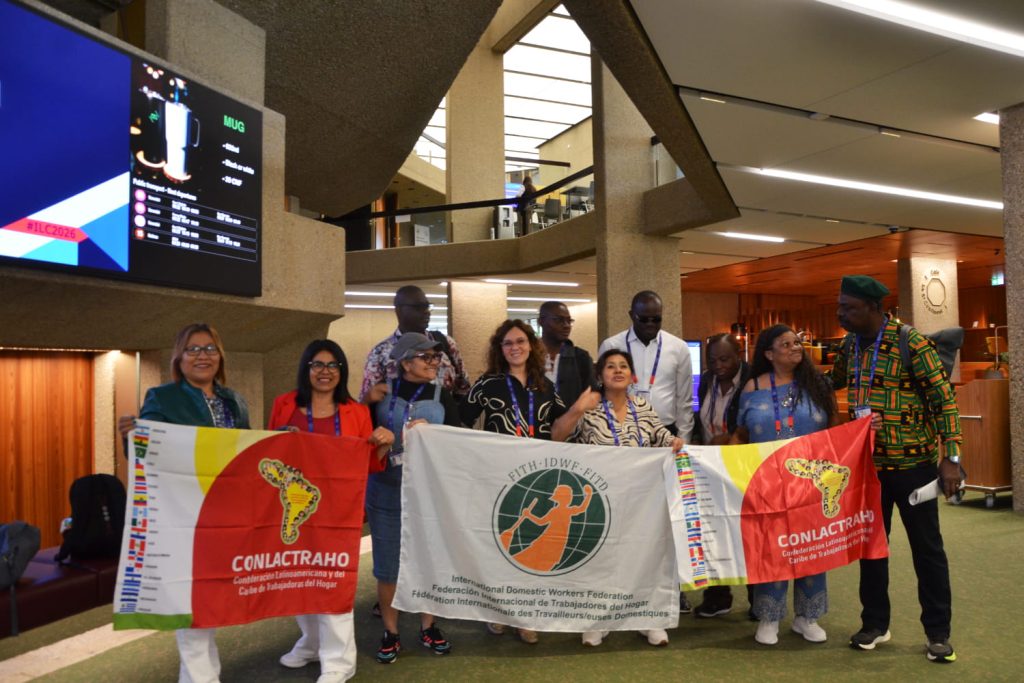
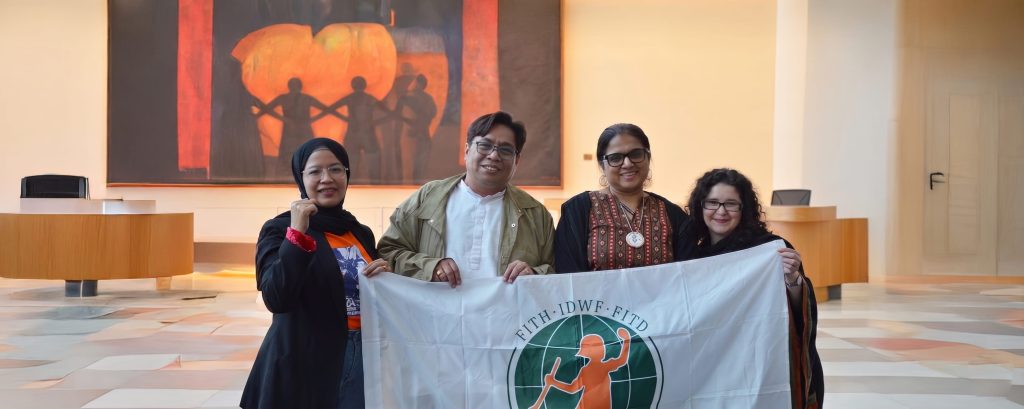
Naomi’s lack of knowledge about pre-migration requirements and safeguards is shared by the vast majority of non-unionized domestic workers. According to research by the International Domestic Workers Federation (IDWF), the Global Alliance Against Traffic in Women (GAATW), and KUDHEIHA, most Kenyan migrant domestic workers are largely unaware of the official migration process, their employment terms and conditions, their rights, and the ways to seek redress, making them vulnerable to abuse by brokers, unregistered agencies, and employers. “Public awareness of legislation, policy and protection interventions related to labour migration is largely lacking,” the report states.
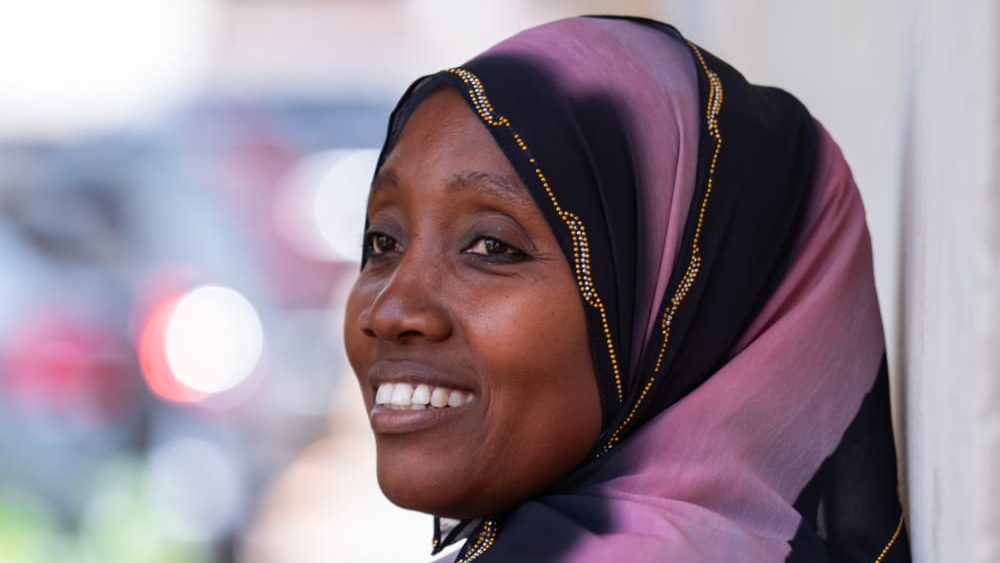
Mwanakombo Mwaita’s reasons for migrating were not so different from Naomi’s. In 2013, driven by poverty and unemployment, she accepted a job in Saudi Arabia with the promise of a good salary and fair working conditions, but with little idea of what actually awaited her there. The drive from her hometown in Mombasa County to Jomo Kenyatta International Airport in Nairobi felt shorter than expected as she daydreamed about a future full of possibilities.
Both Naomi and Mwanakombo knew that their work in the Middle East would be governed by the kafala system: their residency status, work permits, employment, and freedom to move within and leave their destination countries would be tied to their employers, or “sponsors.” What they did not know was that, under this restrictive and coercive regime, they would find themselves trapped in a hell of forced labor.