Geneva, Switzerland | 1–12 June 2026
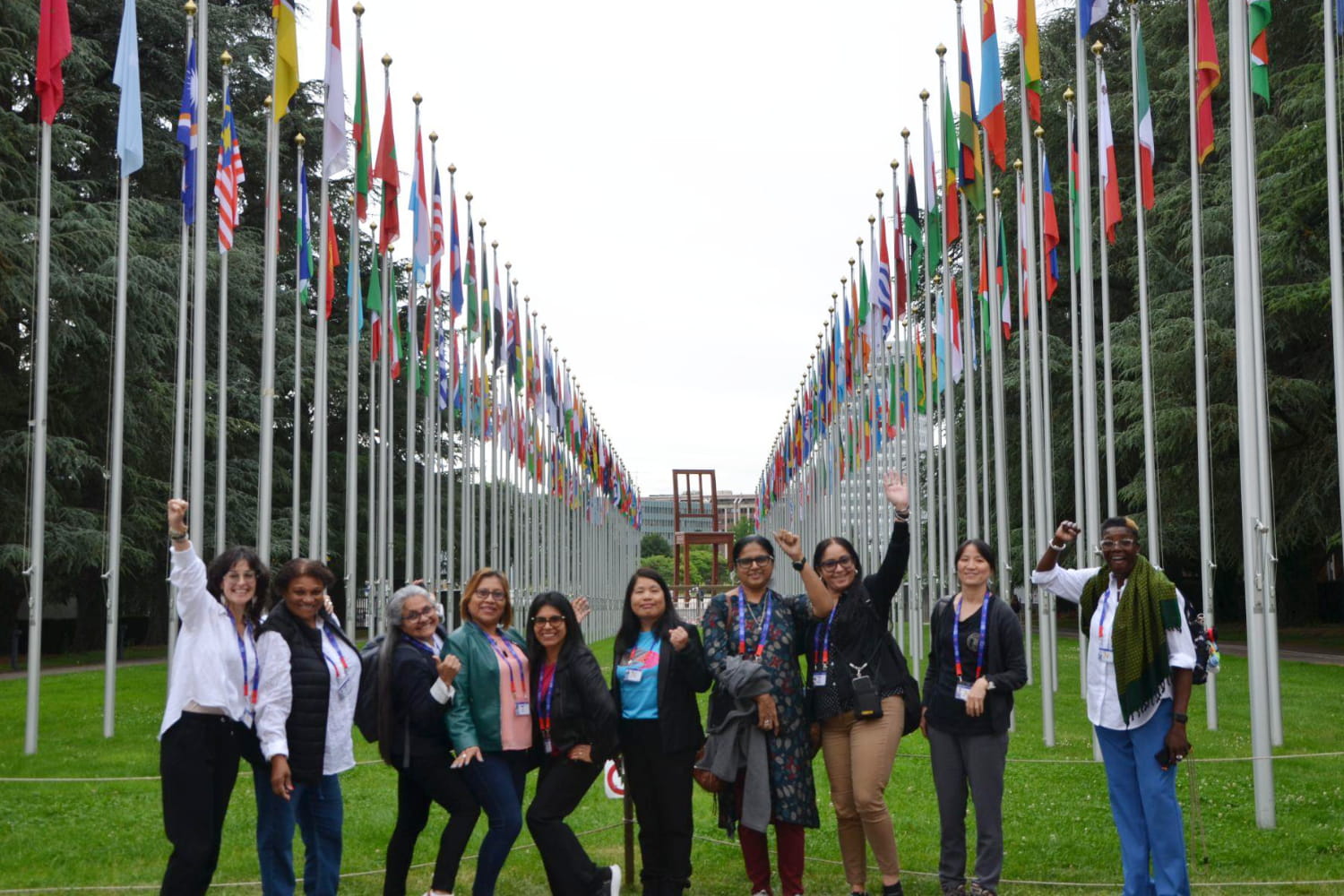
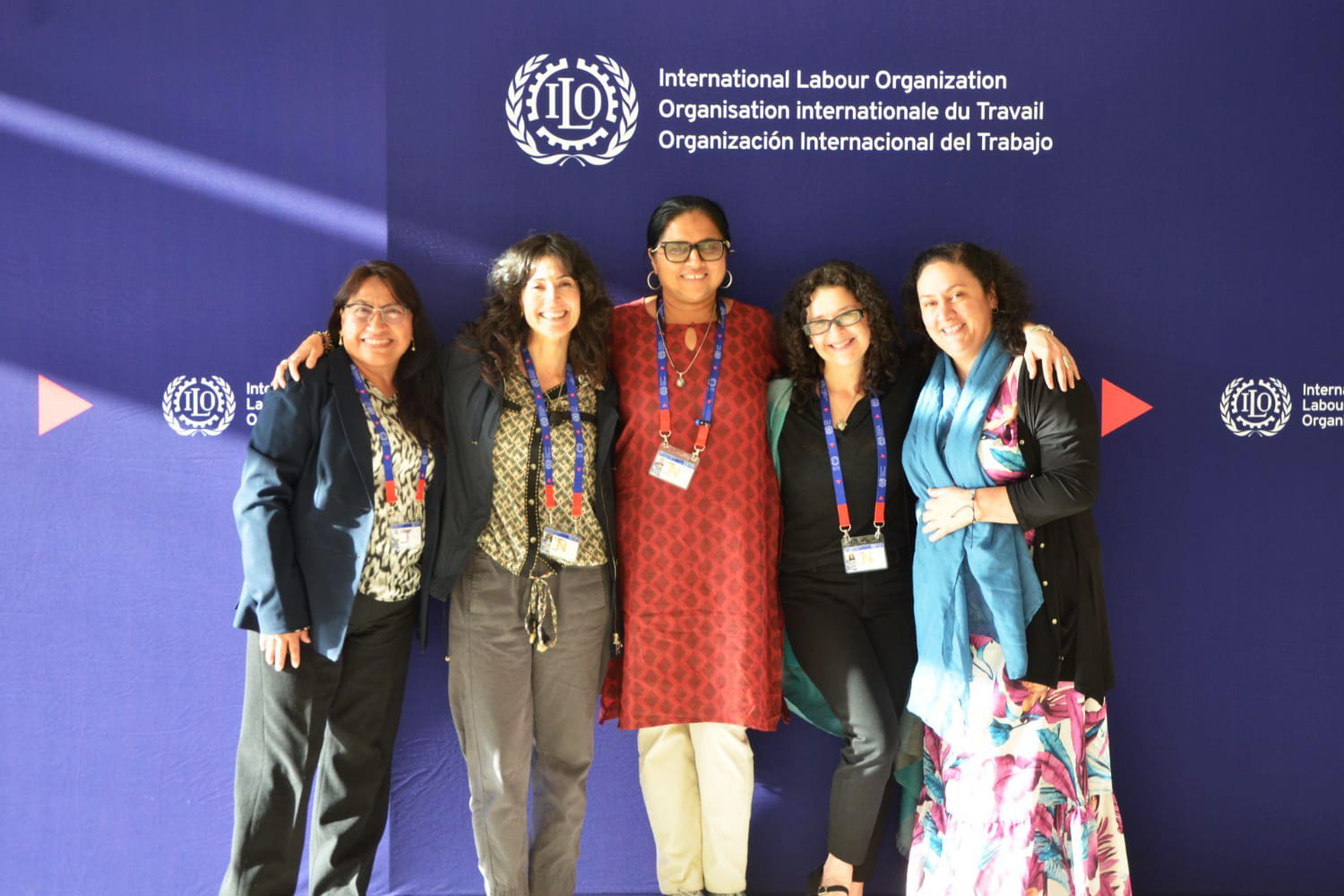
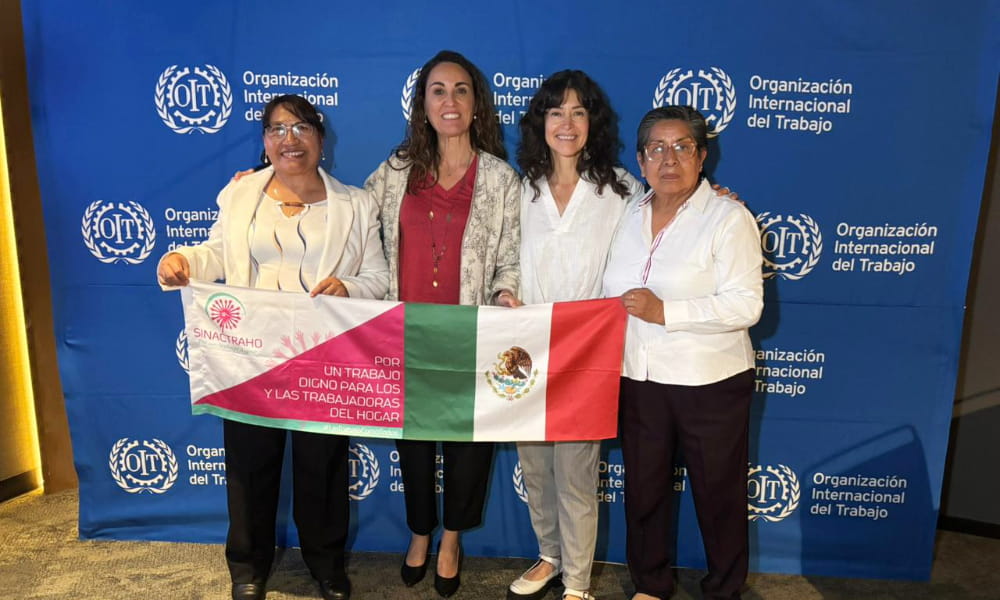
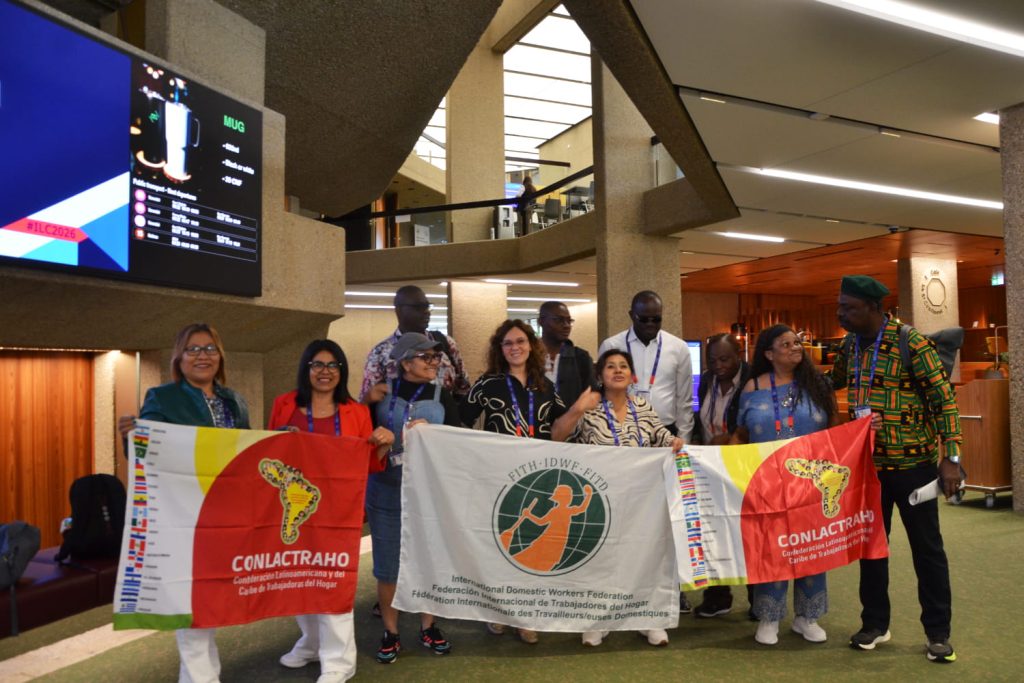
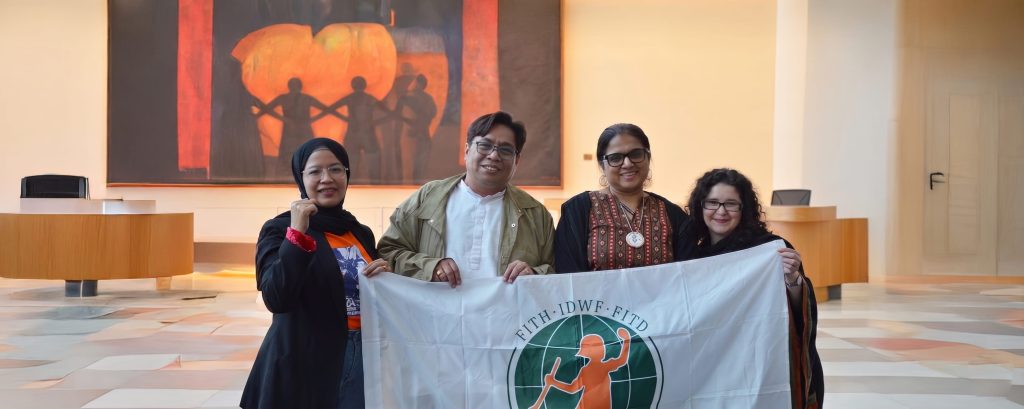
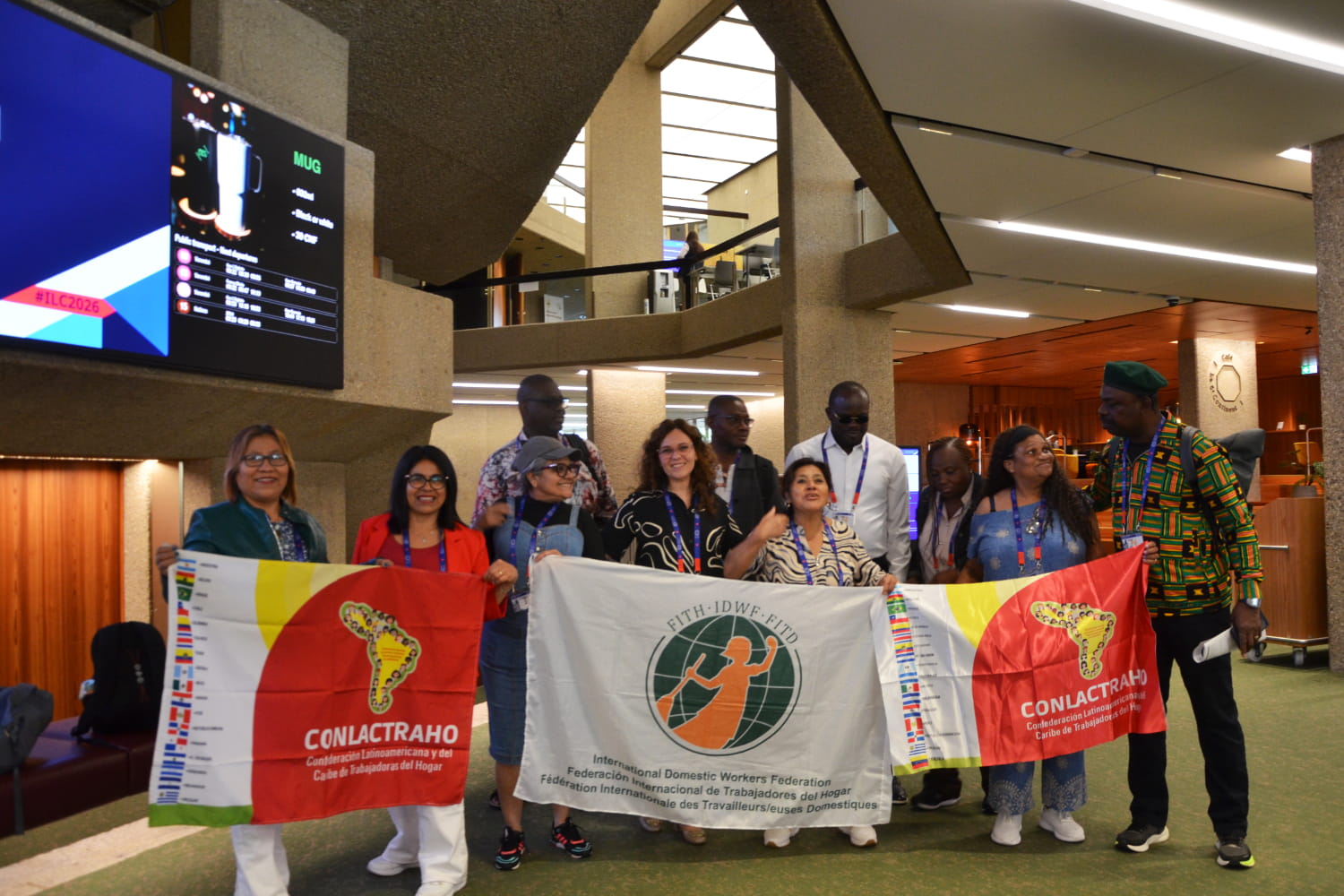
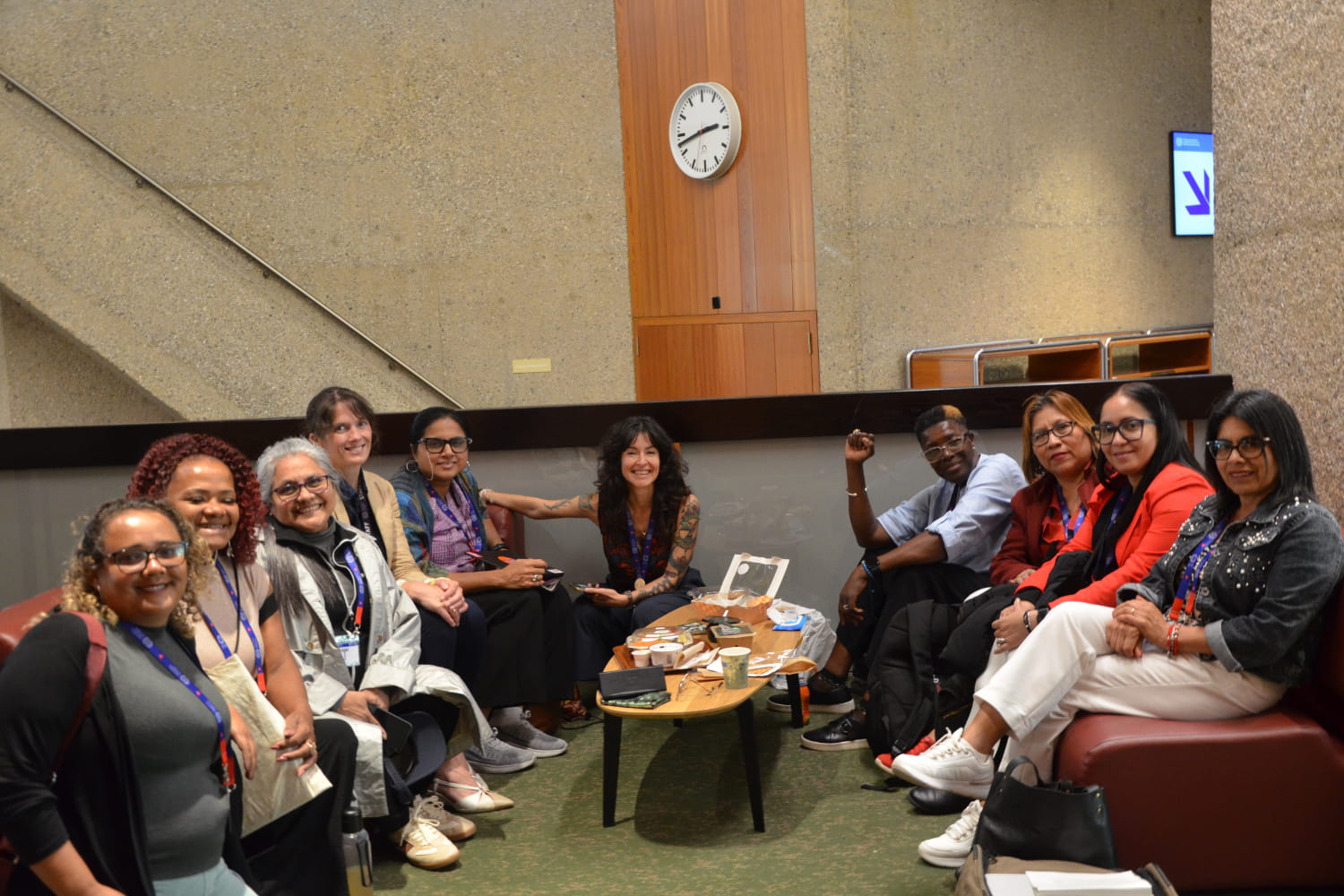
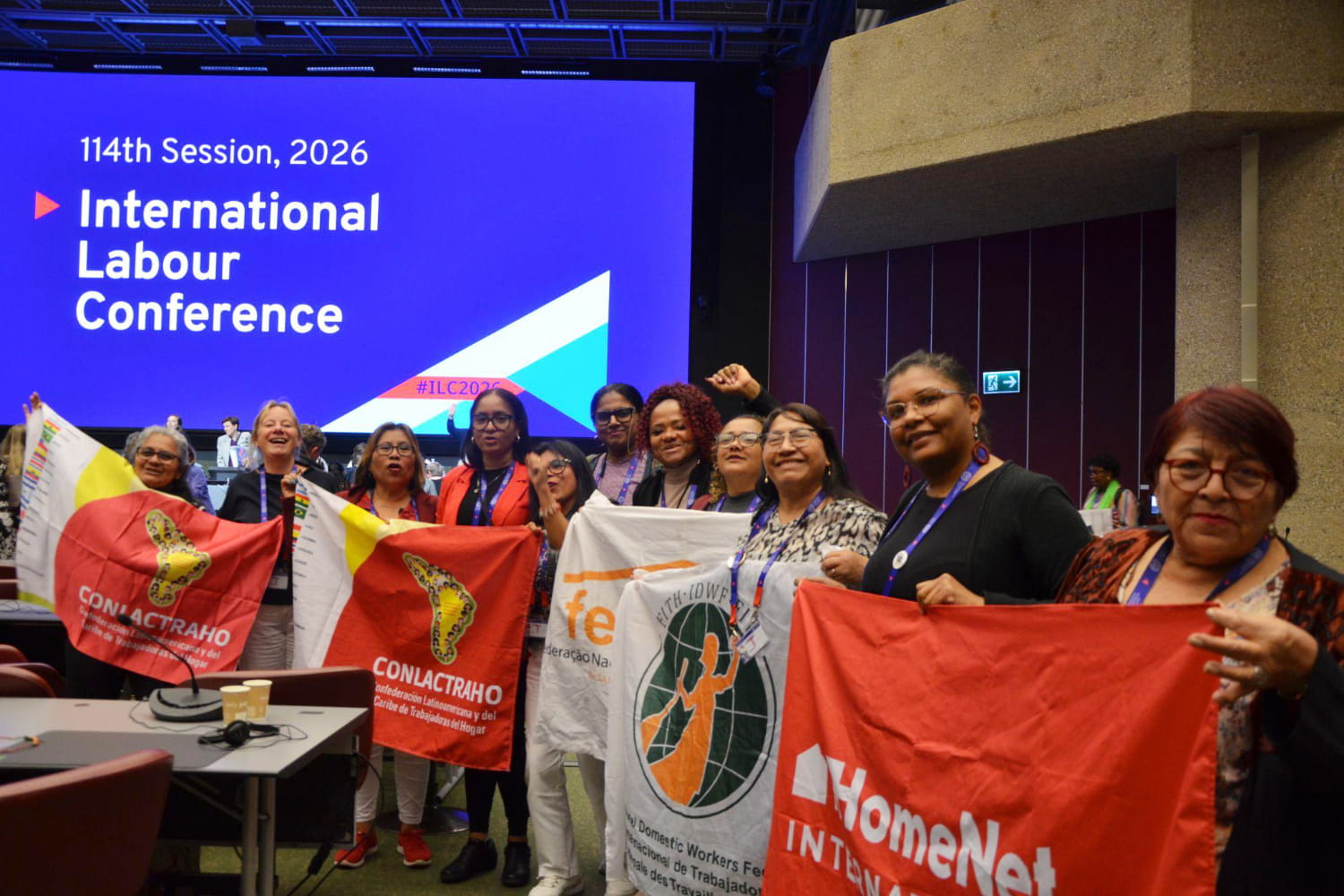
The International Domestic Workers Federation (IDWF) participated in the 114th Session of the International Labour Conference (ILC), joining workers, governments and employers from around the world to discuss some of the most pressing issues shaping the future of work.
Domestic workers were present across all major discussions of the Conference, bringing a worker-led perspective on care, migration, platformization, informality, social protection and labour rights. Through interventions in committees, bilateral meetings, side events and the plenary, IDWF ensured that the voices and realities of domestic workers helped shape global labour debates and policy outcomes.
This year’s Conference was especially significant for domestic workers. It marked the 15th anniversary of ILO Convention 189 on Decent Work for Domestic Workers, a historic international labour standard won through decades of organizing, advocacy and global solidarity led by domestic workers themselves.
The First Global Convention on Platform Work
The International Domestic Workers Federation welcomes the adoption of ILO’s Decent Work in the Platform Economy Convention, 2026, a historic milestone for workers around the world.
IDWF, together with trade unions, platform workers and allies organizations from around the world, advocated for a strong Convention that recognizes platform workers as workers with rights, for strong protections against misclassification, algorithmic discrimination, denial of labour rights, violence and harassment, and exclusion from social protection systems.
The Convention affirms that fundamental labour rights apply in the platform economy, including freedom of association, collective bargaining, protection from discrimination, child labour and forced labour, and the right to a safe and healthy working environment.
For domestic workers and care workers this is more than a new international standard. It is a clear message that technology cannot be used as an excuse to deny workers their rights.
Advancing Gender Equality Through Labour Rights
The International Labour Conference also adopted the proposed resolution and conclusions on the Transformative Agenda for Gender Equality at work.
For domestic workers, these conclusions represent an important recognition that gender equality cannot be achieved while millions of women remain concentrated in unregulated, undervalued and poorly protected work.
IDWF welcomed the strong emphasis on freedom of association, collective bargaining and social dialogue as essential tools for advancing gender equality. The conclusions also call for strengthening the organization and representation of women workers, particularly in domestic work and the informal economy, in line with ILO Convention 189.
For domestic workers, this is a clear recognition that labour rights, care policies and worker organizing must advance together. Gender equality at work will not be achieved without the full inclusion, protection and representation of domestic workers and care workers worldwide.
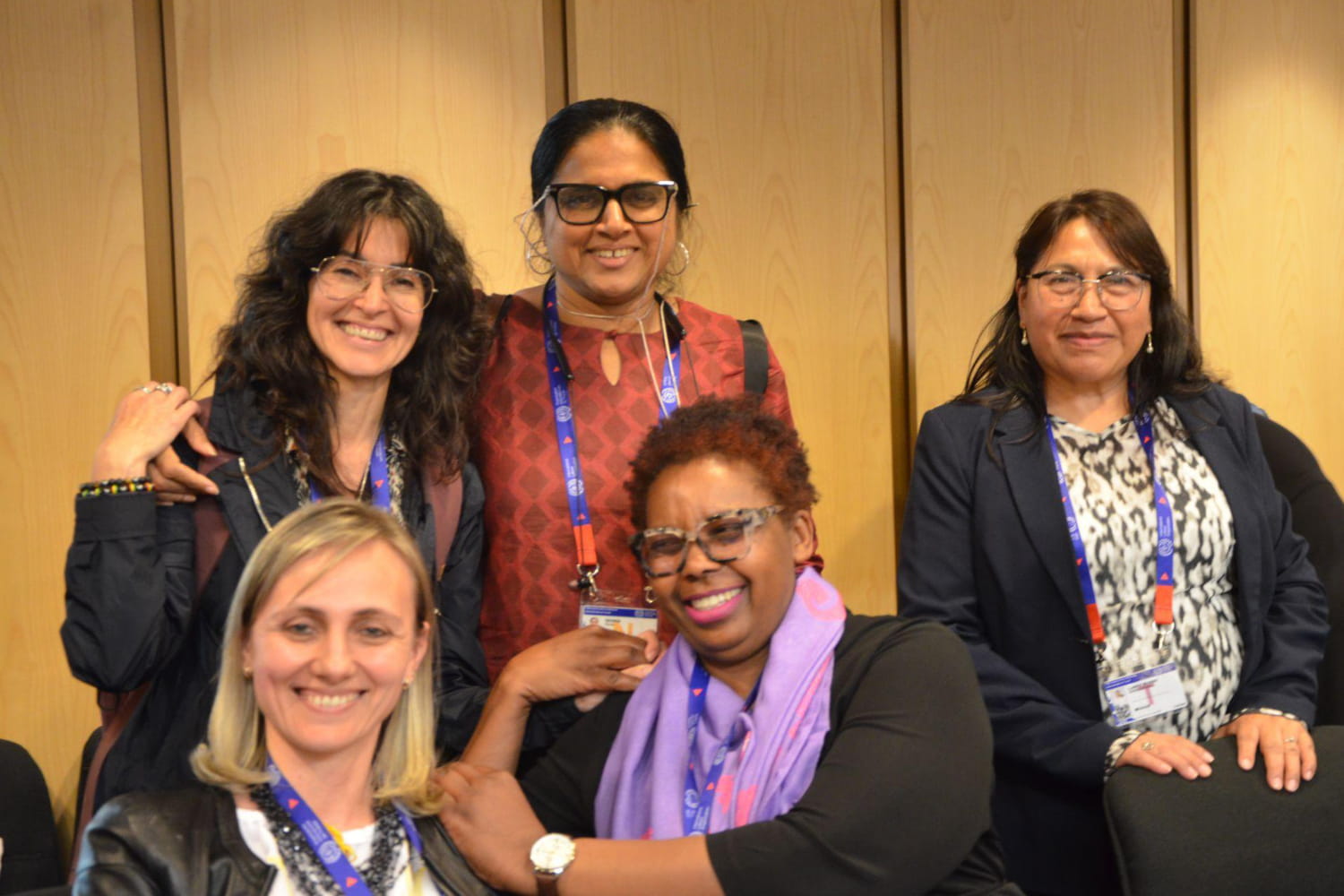
Sonia George addresses gender committee:
Strengthening Social Dialogue
For domestic workers, the Outcome of the Recurrent Discussion Committee on Social Dialogue and Tripartism carry particular significance. Across the world, millions of domestic workers continue to face barriers to organizing, collective bargaining and participation in labour governance institutions.
The conclusions recognize the important role that social dialogue has already played in advancing labour migration governance, formalization, domestic and care work, gender equality and responses to digital transformation.
For IDWF, these outcomes reinforce a simple principle: workers must have a seat at the table when decisions affecting their lives are made. Domestic workers are not only beneficiaries of labour policies—they are workers, leaders and social partners whose voices must be included in shaping the future of work.
DOMESTIC WORKERS AT THE CENTER OF GLOBAL DEBATES
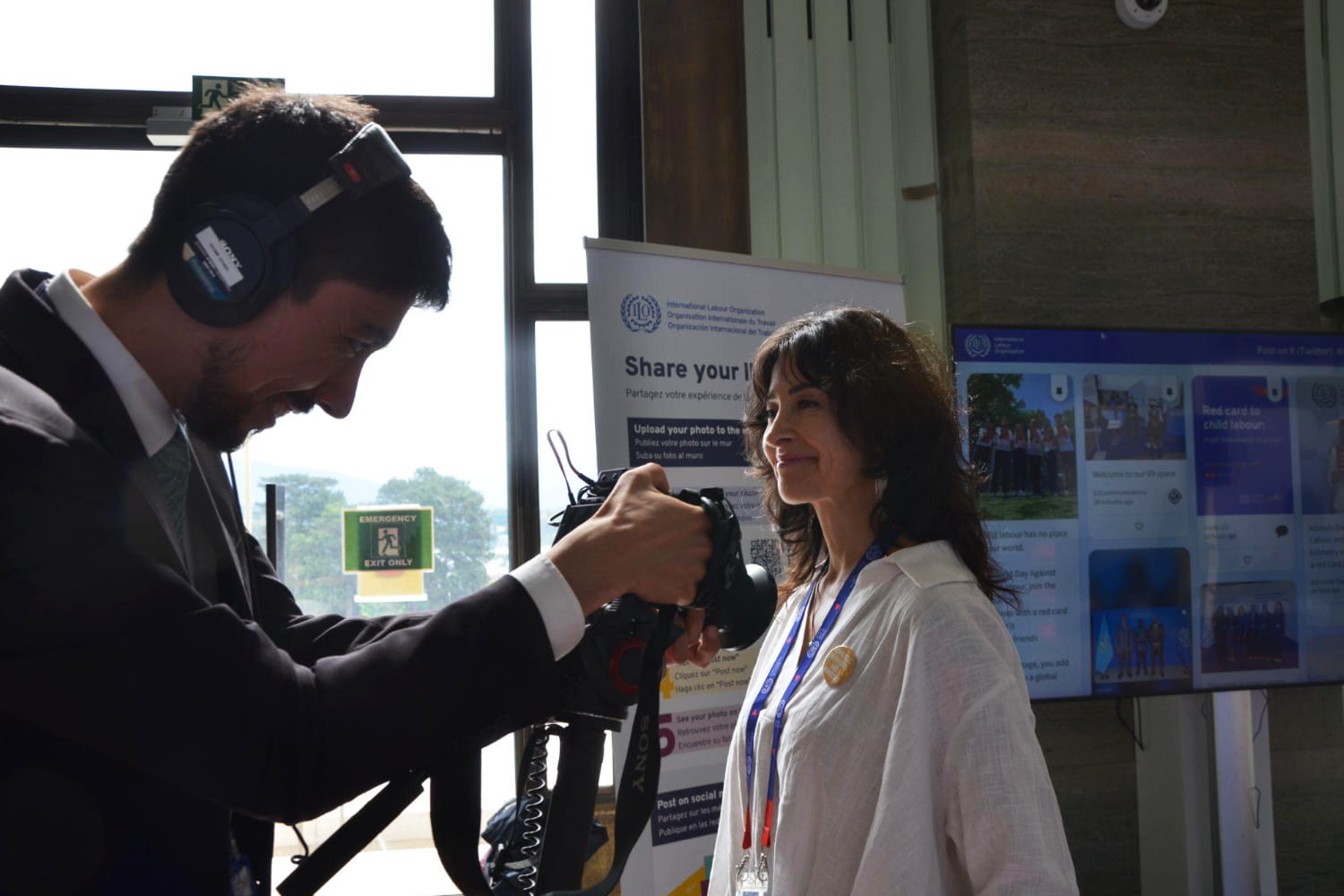
Throughout the Conference, IDWF delegates engaged with governments, employers, trade unions, ILO officials and allies to advance a common vision rooted in labour rights, gender equality, social protection and democratic participation.
Under the leadership of General Secretary Adriana Paz and IDWF’s elected leaders, domestic workers contributed to discussions across all three Conference priorities—platform work, gender equality, and social dialogue—demonstrating that domestic workers are not on the margins of these debates but at the centre of the transformations reshaping the world of work.
ILC Plenary, 08 June
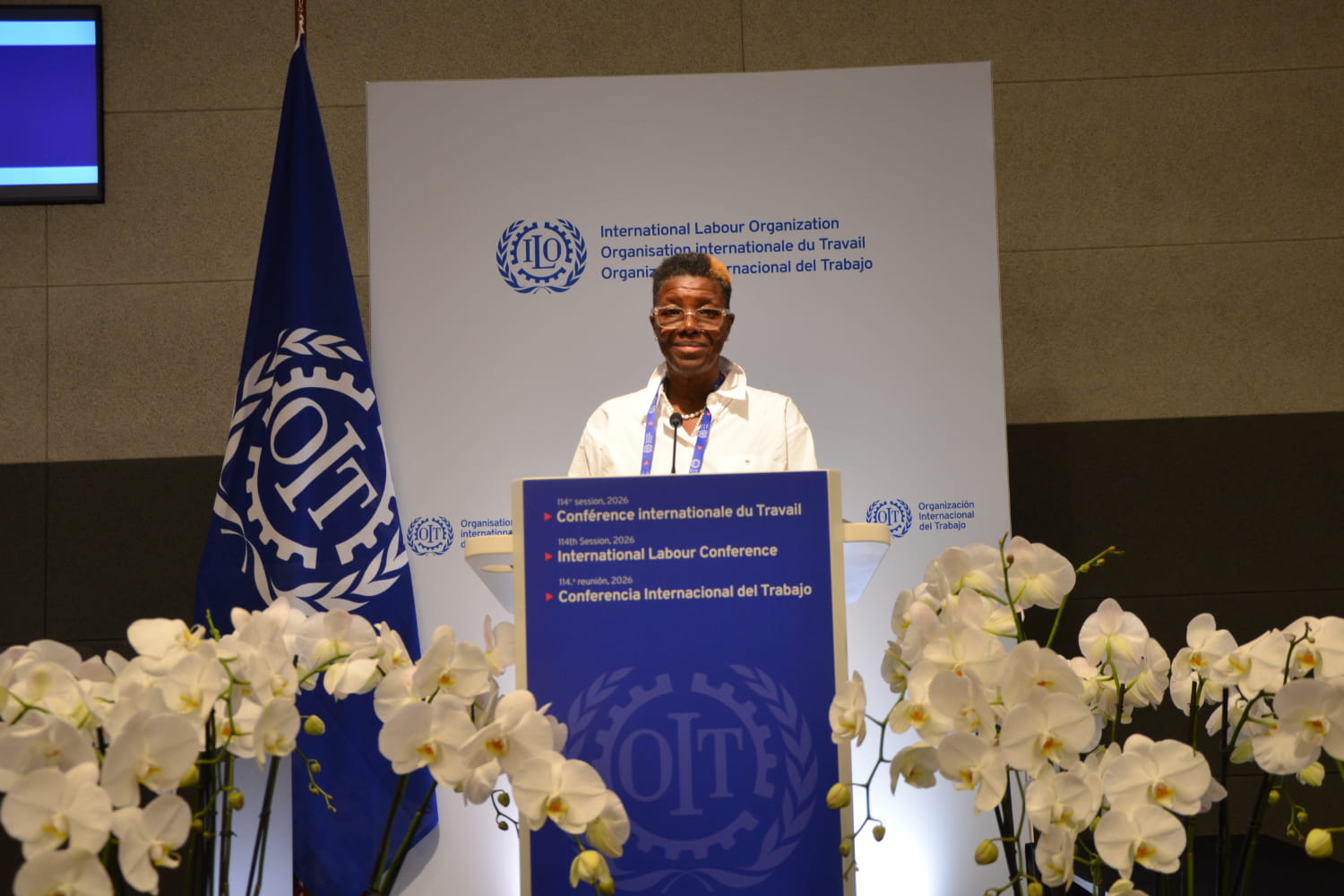
A significant moment during the Conference was the address delivered by June Barrett, Vice President of IDWF, to the plenary of the International Labour Conference.
Speaking on behalf of domestic workers around the world, June highlighted the progress achieved since the adoption of Convention 189 while drawing attention to the realities still faced by millions of domestic workers, including informality, exclusion from labour protections, violence and harassment, migration-related vulnerabilities, child domestic labour, and unequal access to social protection.
“Taking Stock of Our Victories and Future: 15 Years of ILO Convention 189 on Decent Work for Domestic Workers.”
08 June, 2026
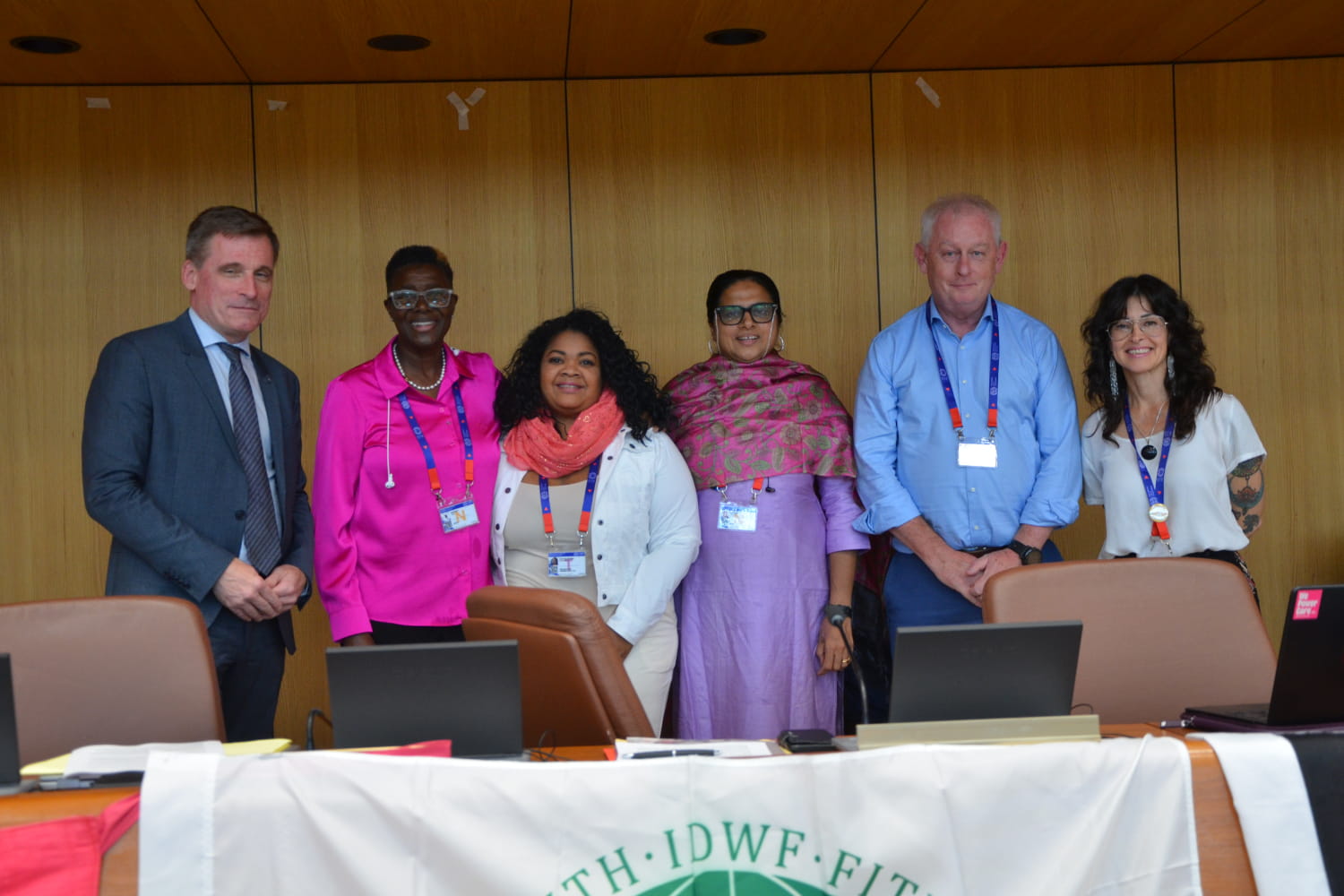
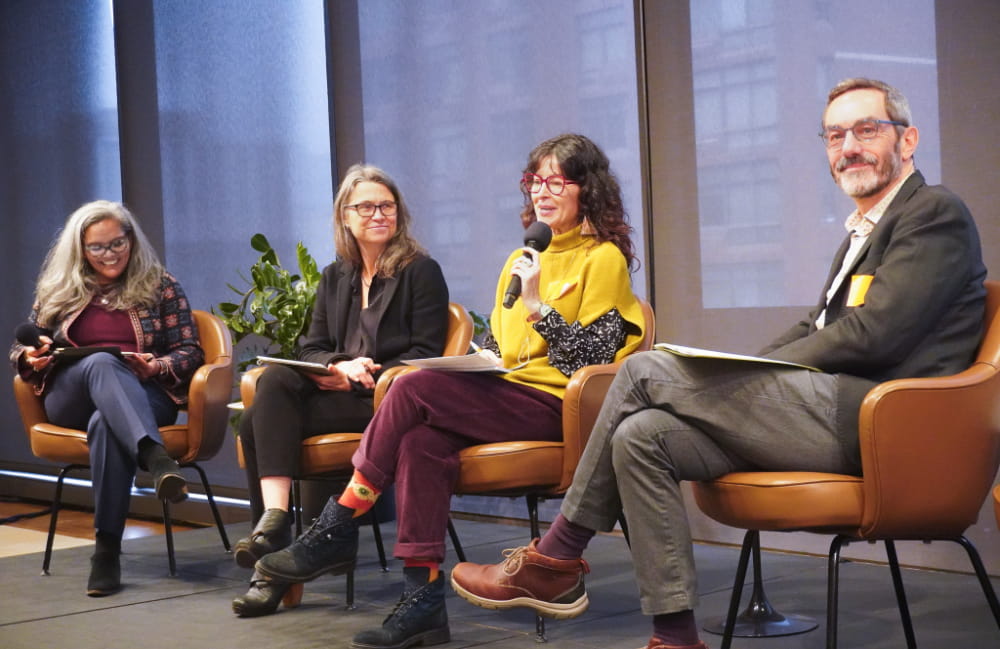
The event brought together domestic worker leaders, trade unions, governments, allies and partners to celebrate the achievements made since the adoption of Convention 189 while reflecting on the challenges that remain ahead.
Discussions highlighted progress in legal recognition, organizing, social protection and labour rights, while also addressing emerging issues such as migration, care systems, platformization, climate change and the persistent gap between legal protections and realities on the ground.
🔊Audio Clip:
Panelists: Oliver Roepke, ILO ACTRAV Director; Luc Triangle, ITUC General Secretary; June Barrett, IDWF Vice-President; Adriana Paz, IDWF General Secretary; Claire Hobden, ILO Expert; Sue Longley, IUF; Laura Alfers, WIEGO and IDWF Leaders from Europe, Caribbean, Latin America, Asia, Africa and MENA region.
“Access to Justice: A Critical Feminist Labor Agenda”
05 June, 2026
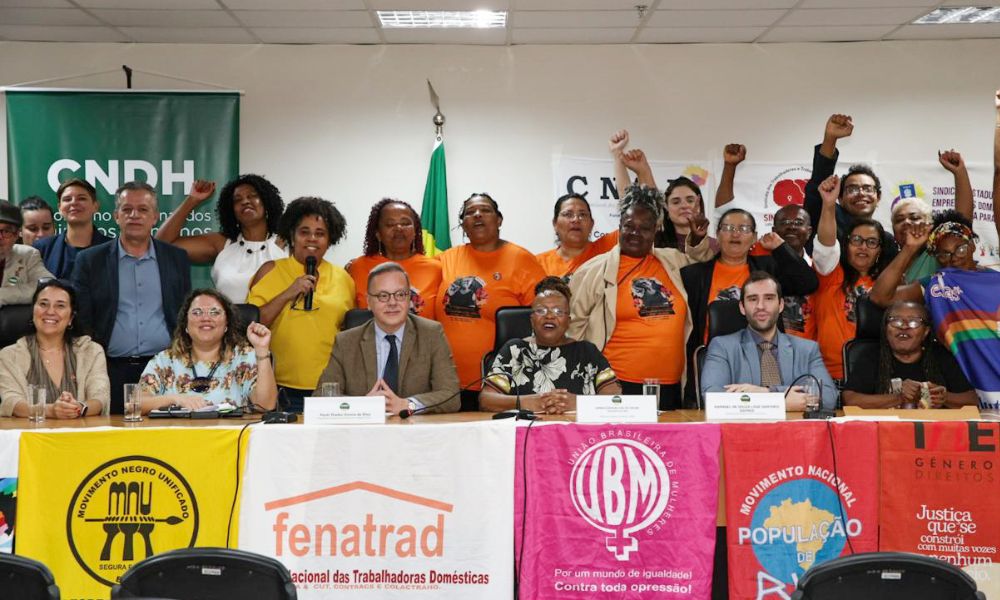
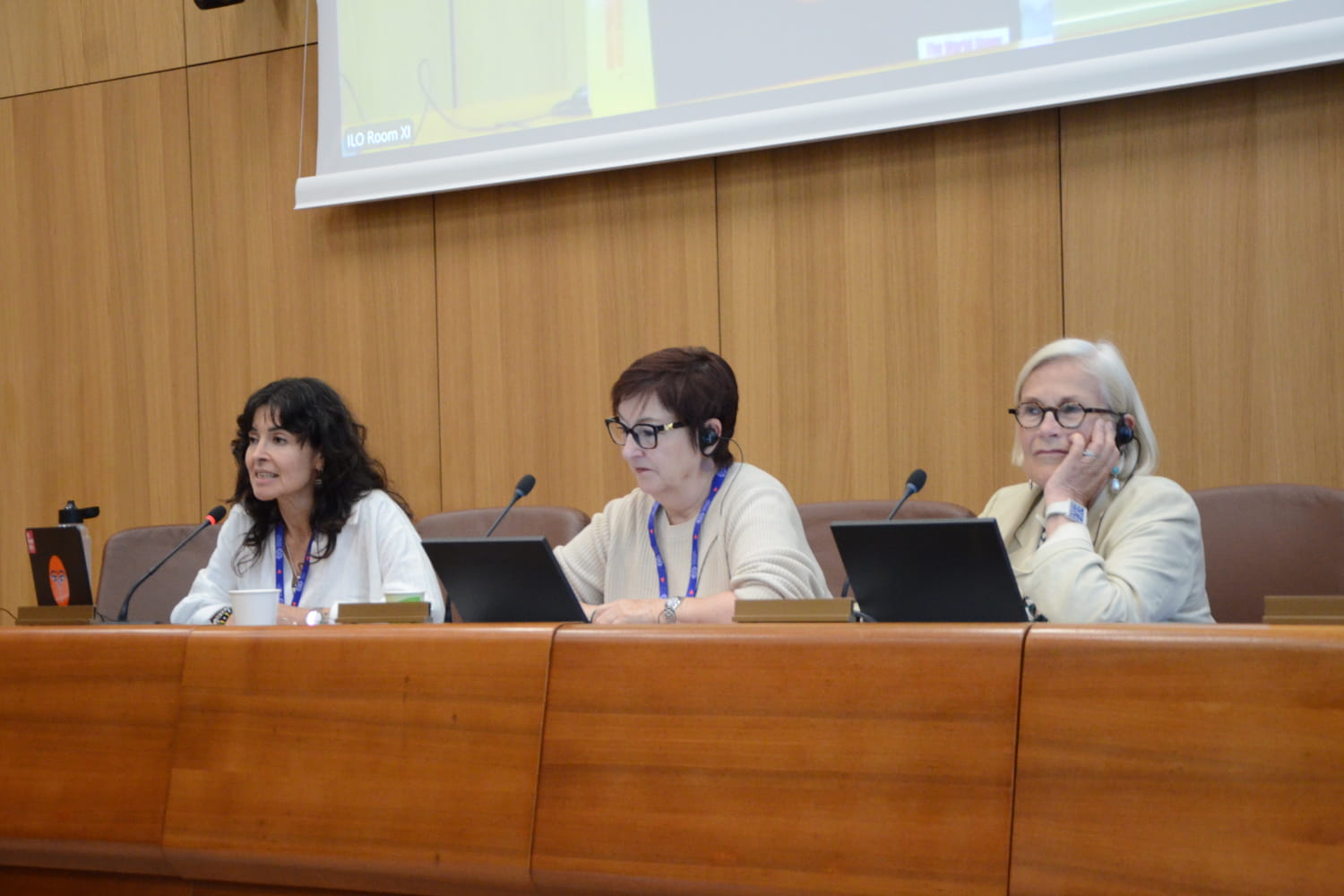
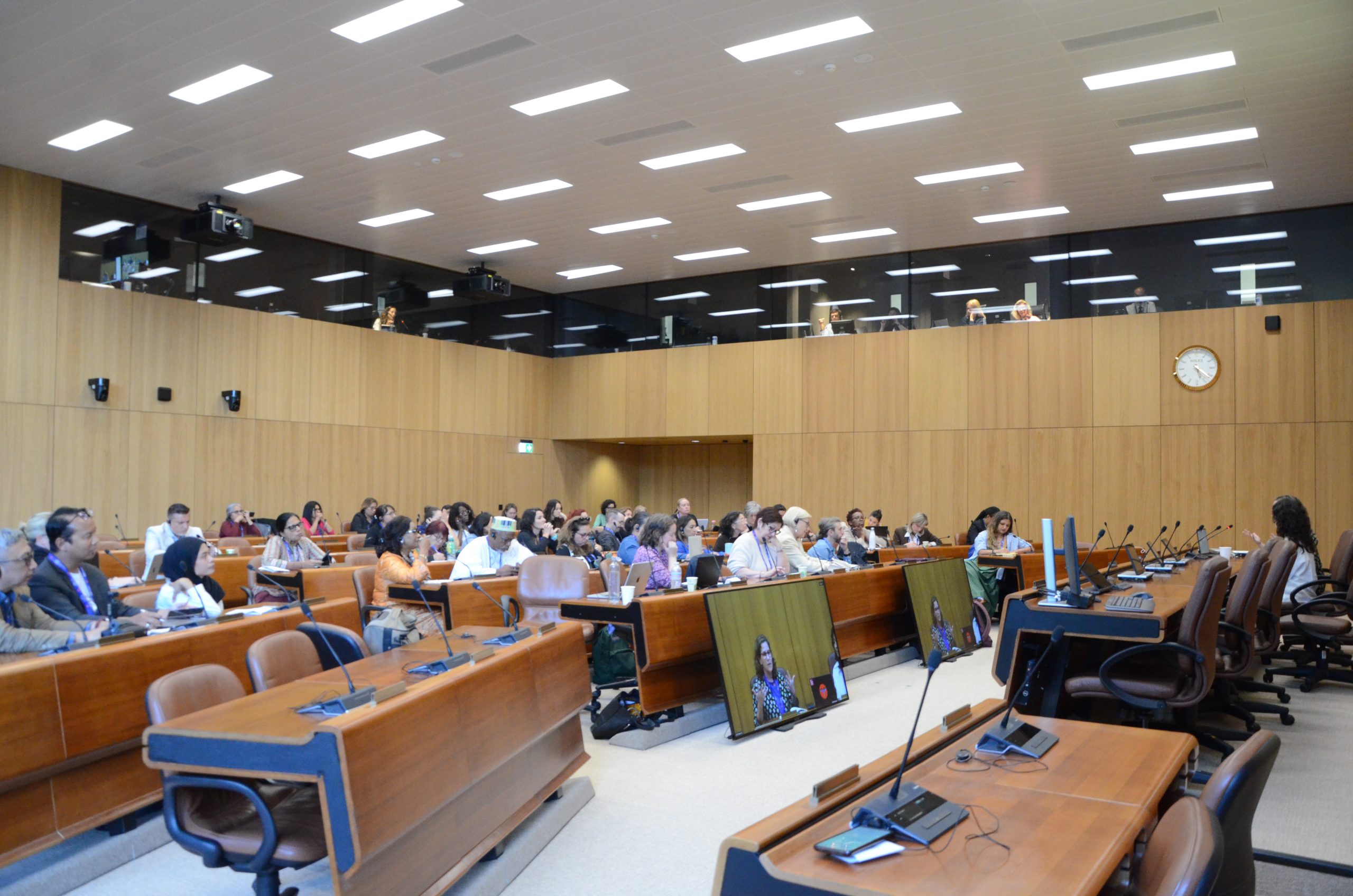
IDWF also co-organized the roundtable bringing together trade unions, worker organizations, feminist movements and allies to discuss strategies for advancing labour rights, gender justice and democratic participation in a rapidly changing world of work.
These conversations reinforced the importance of building stronger alliances between labour, feminist and social justice movements to confront growing inequality, informality and attacks on workers’ rights.
Sunday, 07 June
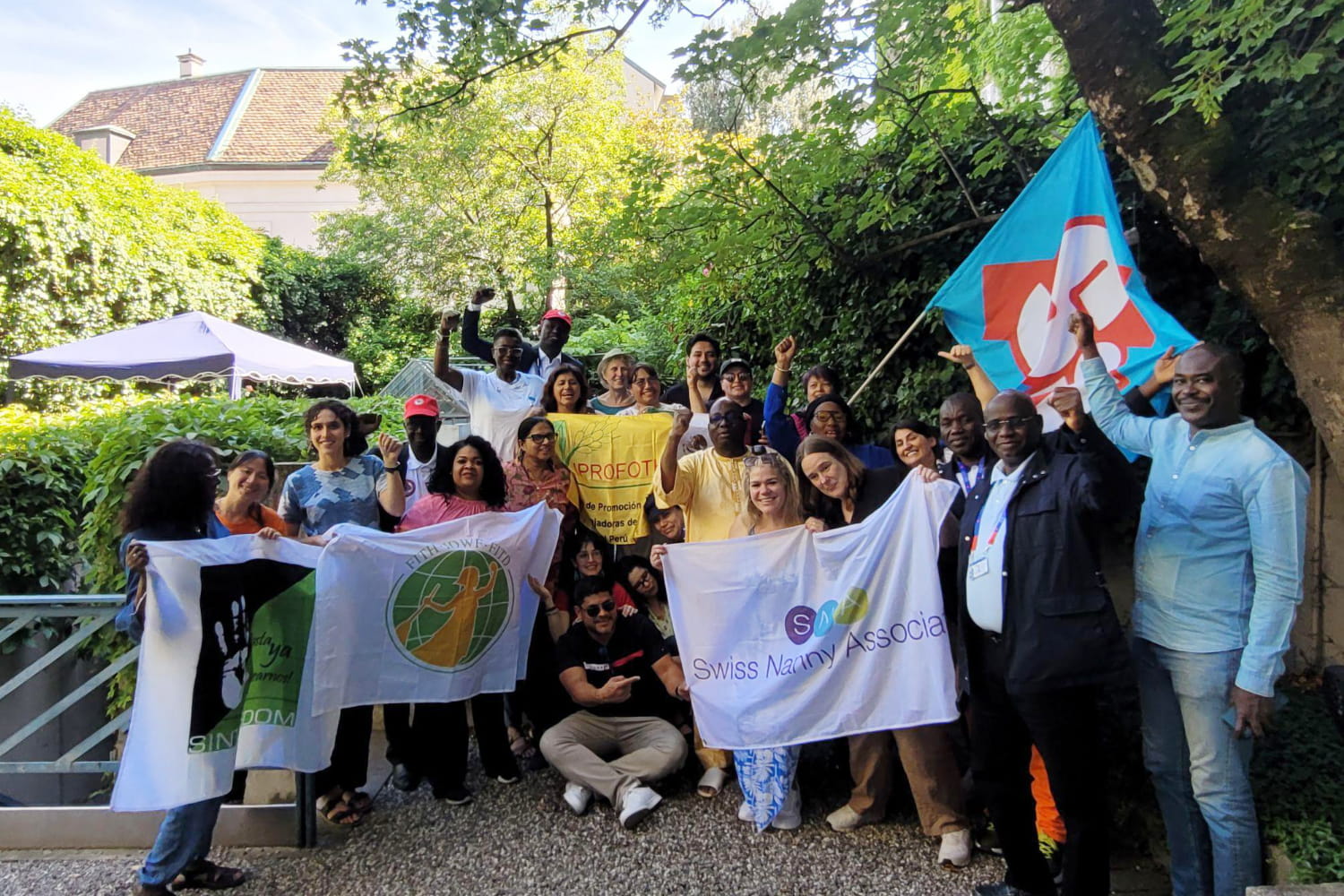
With many thanks to the members of the Syndicat Interprofessionnel de Travailleuses et Travailleurs (SIT) for their warm hospitality, a rich exchange of experiences, and solidarity –as well as all partners, allies, and trade union colleagues who contributed to making our time in Geneva both meaningful and inspiring.