By IDWF
Every child deserves a childhood. Every child deserves school, safety, love, and hope for the future.
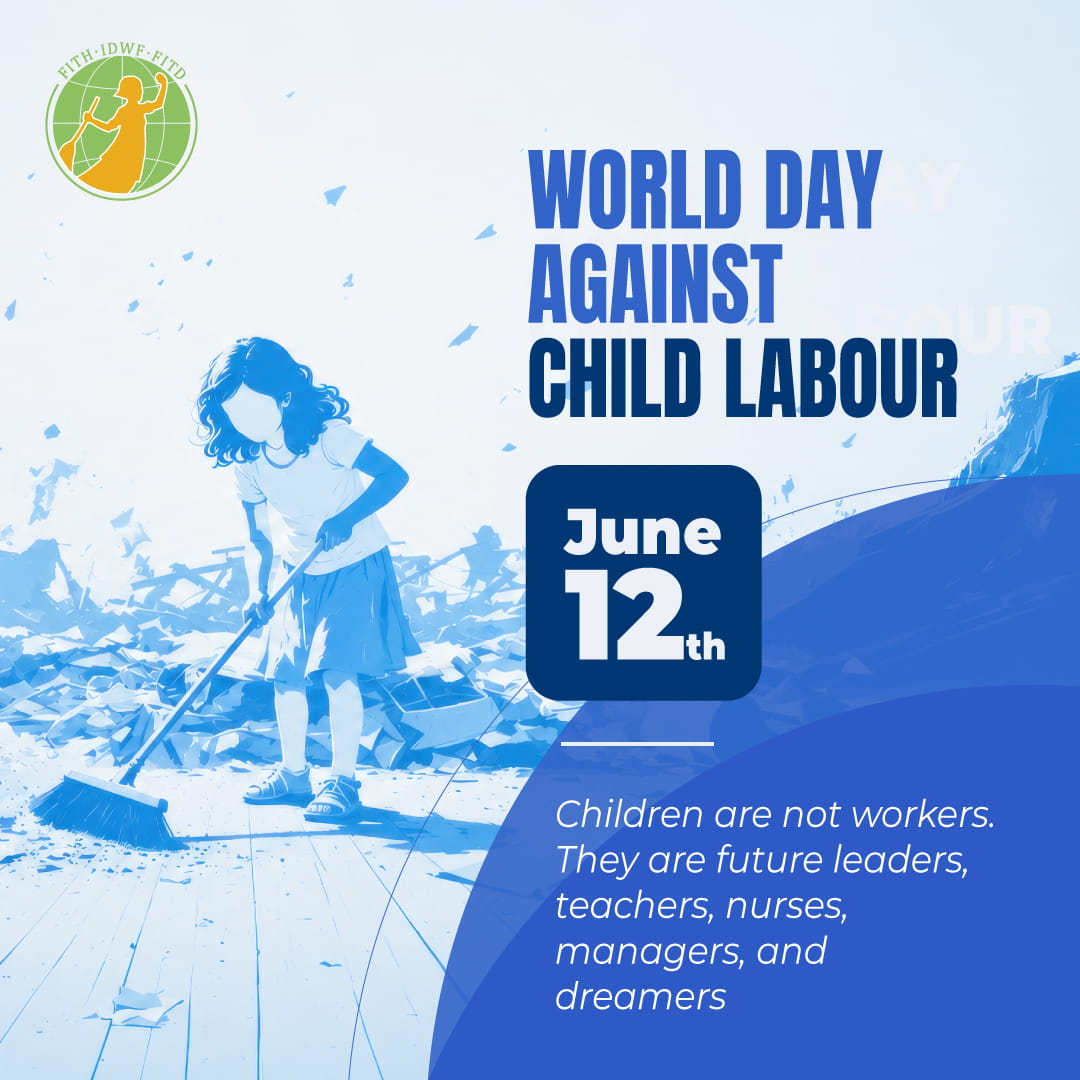
Yet millions of children around the world are still working instead of learning and playing. On 12 June, as the world marks the World Day Against Child Labour, and as governments, employers, and workers gather in Geneva for the International Labour Conference (ILC) we must speak about one of the most hidden forms of child labour, child domestic labour.
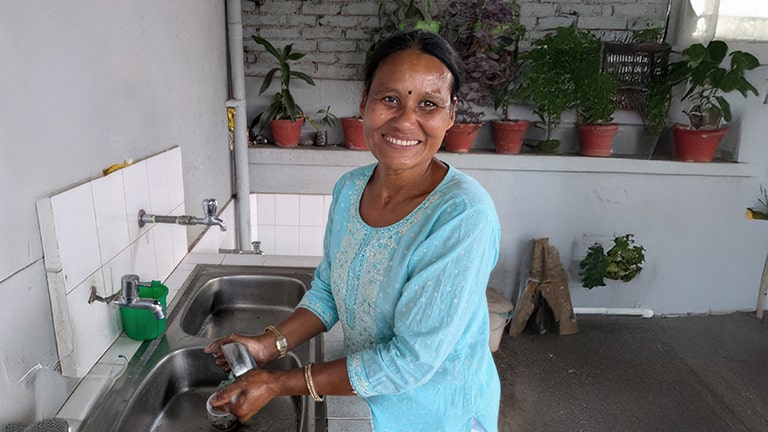
Behind closed doors, many children, especially girls, work as domestic workers in private homes. They cook, clean, wash clothes, care for babies, and work long hours every day. Some are very young. Many are underpaid, isolated, or abused. Because they work inside homes, their suffering often remains invisible.
Instead of carrying school bags, they carry heavy responsibilities.
In Africa, Asia, and Latin America many girls work as domestic workers in countries such as Tanzania, Togo, Kenya, and Guinea (Africa); Nepal, Pakistan, Bangladesh, and India (Asia); Ecuador, Haiti, Guatemala, and Peru, just to name a few. Poverty, lack of education, unemployment, inadequate social protection, and weak public care services push children away from their homes and into domestic work. Many families hope their children will find a better future in the cities, but instead many face exploitation, violence, and lost opportunities.
Girls are the most affected. Many face discrimination, emotional abuse, and sexual harassment. Their voices are rarely heard because their workplaces are hidden inside private households.
According to the International Labour Organization and UNICEF, around 138 million children were involved in child labour globally in 2024, and about 7.1 million children aged 5–17 were engaged in domestic work. Most of them are girls. While recent global estimates show some progress in reducing child labour, the pace remains far too slow. Millions of children continue to be denied their rights, education and future opportunities.
Child domestic labour is not only a labour issue. It is a human rights, gender equality, education, and social justice issue. It reflects the failure of societies to adequately value care, protect children, and ensure decent work for adults.
The good news is that change is possible.
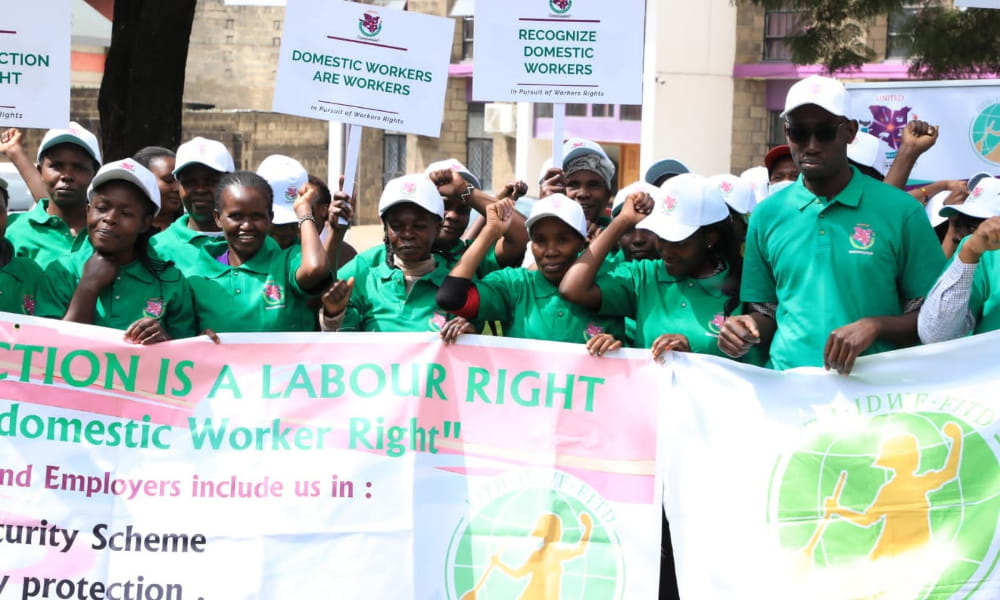
The International Domestic Workers Federation (IDWF) and its affiliates around the world continue to defend and protect domestic workers’ rights. IDWF believes that promoting decent work for adults is one of the strongest ways to end child domestic labour. When adult domestic workers receive fair wages, social protection, labour rights, and decent working conditions, children are less likely to be pushed into work.
This principle is recognised in ILO Convention 189 on Decent Work for Domestic Workers, which this year marks its 15th anniversary. Convention 189 calls for dignity, rights, and protection for domestic workers and requires governments to take effective measures to eliminate child labour in domestic work and protect young workers from abuse and exploitation.
Together with ILO Convention No. 138 on Minimum Age and ILO Convention 182 on the Worst Forms of Child Labour, Convention 189 provides a powerful framework for ending child domestic labour while ensuring the recognition of domestic work.
As domestic workers often say:
“Children are not workers. They are future leaders, teachers, nurses, managers, and dreamers.”
On this World Day Against Child Labour, and during ILC, we call on governments, employers, communities, trade unions, and families to work together to end child domestic work. This requires stronger labour inspection systems, universal access to quality education, investment in public care services, social protection for families, and the full implementation of international labour standards.
We also call on governments that have not yet done so to ratify Conventions 189, 138, and 182, and to work alongside domestic workers’ organizations in developing solutions that protect both children and adult workers.
Children belong in schools and playgrounds, not in exploitative work.
Hidden work should never mean hidden pain.
Together, we can build a world where every child grows up with dignity, education, safety, and hope –and where decent work for adults helps make child labour a thing of the past.
Read more:
IDWF Position Paper on Eliminating Child Labour in the Domestic Work Sector