June 1-12, 2026
The 114th Session of the International Labour Conference (ILC) will be held at the ILO Headquarters in Geneva, Switzerland, in June 2026. This year, governments, employers and workers will negotiate and discuss critical issues shaping the future of work, including gender equality in the world of work, social dialogue and tripartism, and labour protections in the platform economy.
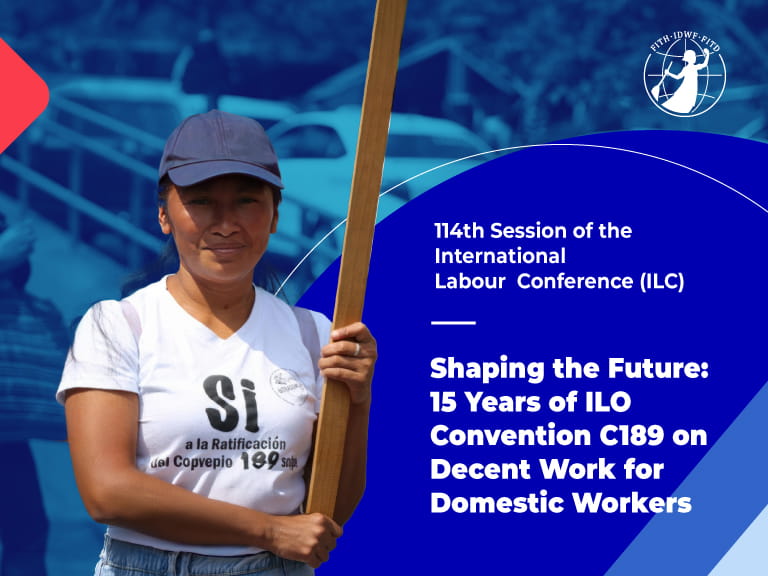
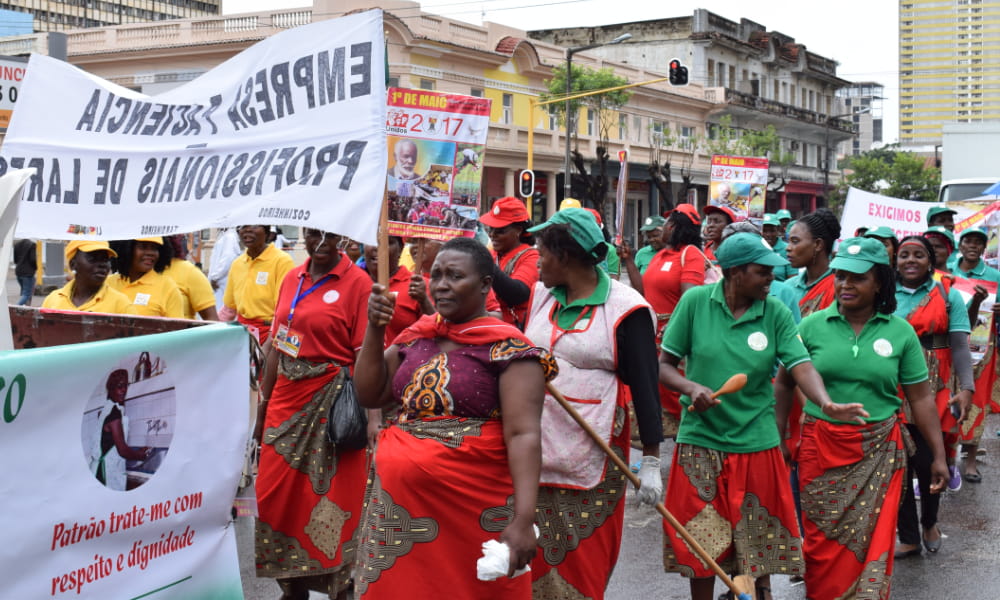
This year also marks the 15th Anniversary of Convention 189 on Domestic Workers, a historic milestone worn through decades of organizing and global solidarity led by domestic workers themselves.
For domestic workers, these discussions are deeply connected. Across the world, domestic workers are confronting growing informality, digital surveillance, algorithmic control, shrinking labour protections, attacks on freedom of association, and the increasing burden of unpaid and underpaid care work. IDWF and allied organizations will bring forward worker-led demands to ensure that technological and economic transitions advance rights, equality, dignity and social justice for all workers.
Committees at the ILC 2026
Decent Work in the Platform Economy
The ILC will continue discussions toward an international labour standard on platform work. IDWF and allied organizations are advocating for a strong Convention that protects all platform workers, including domestic and care workers recruited or managed through digital platforms. Key demands include protection against misclassification, algorithmic discrimination, violence and harassment, exclusion from labour laws, and denial of social protection and collective bargaining rights.
Transformative Agenda for Gender Equality at Work
This general discussion will examine the structural barriers preventing gender equality at work, including care responsibilities, violence and harassment, discrimination, migration, informality, and unequal access to labour protections. IDWF will advocate for a transformative feminist agenda that recognizes domestic and care work as essential work and addresses the realities faced by women workers across the Global South.
Social Dialogue and Tripartism
The recurrent discussion on social dialogue and tripartism will focus on strengthening freedom of association, collective bargaining, democratic participation, and inclusive labour governance. IDWF and partners will continue advocating for the recognition and participation of workers in informal employment within social dialogue processes at all levels.
Joint Advocacy and Alliances
- No Worker Left Behind: A Stronger ILO Convention for Decent Work in the Platform Economy (WIEGO)
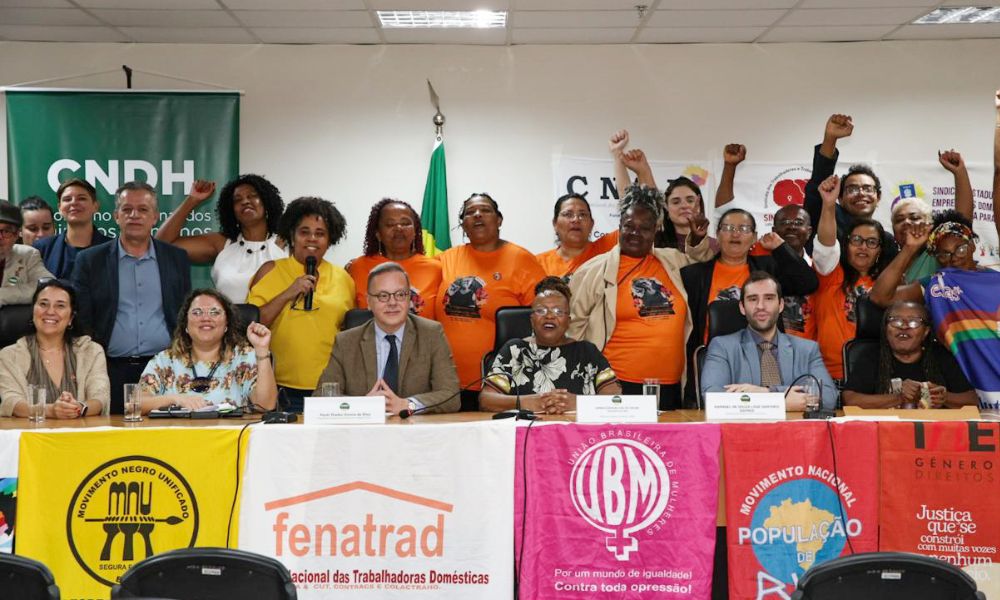
- Cuidado que sostiene y transforma (FENAMUTRA)
Together with trade unions and organizations of workers in informal employment across the world, IDWF remains committed to leaving no one behind. This means ensuring that international labour standards and protections apply to ALL workers. As economies undergo technological, environmental and demographic transformations, domestic workers must be fully included in discussions on labour rights, social protection, gender equality and just transitions.
Our Shared Demands
Domestic workers are not on the margins of these debates — we are at the centre of the transformations reshaping the world of work. Across all discussions at the ILC, IDWF and allied organizations are calling for labour protections, gender justice, democratic participation, and social protection systems that include all workers, regardless of sector, migration status, or employment classification.
We believe the outcomes of the ILC discussions must strengthen labour protections and democratic participation in ways that include:
- Recognition of domestic workers, care workers and platform workers as workers with full labour rights.
- Protection against misclassification and the denial of employer responsibilities through digital platforms.
- Freedom of association and collective bargaining rights for all workers, regardless of employment status or migration status.
- Gender-responsive labour protections that address violence and harassment, unpaid care work, discrimination and occupational segregation.
- Transparency and accountability in algorithmic management and digital surveillance systems.
- Universal and portable social protection systems, including maternity protection, occupational safety and health protections, and income security.
- Inclusion of workers in informal employment in social dialogue, labour governance and just transition policies.
- Respect for existing international labour standards, including ILO Conventions C189, C190, C177, C87, C98 and Recommendation 204.
How the ILC Works
Every year, government officials, trade union representatives and employers’ organizations from 187 countries gather in Geneva for the International Labour Conference (ILC), the ILO’s tripartite “parliament of labour.” Since 1919, the ILC has shaped international labour standards and global discussions on the world of work.
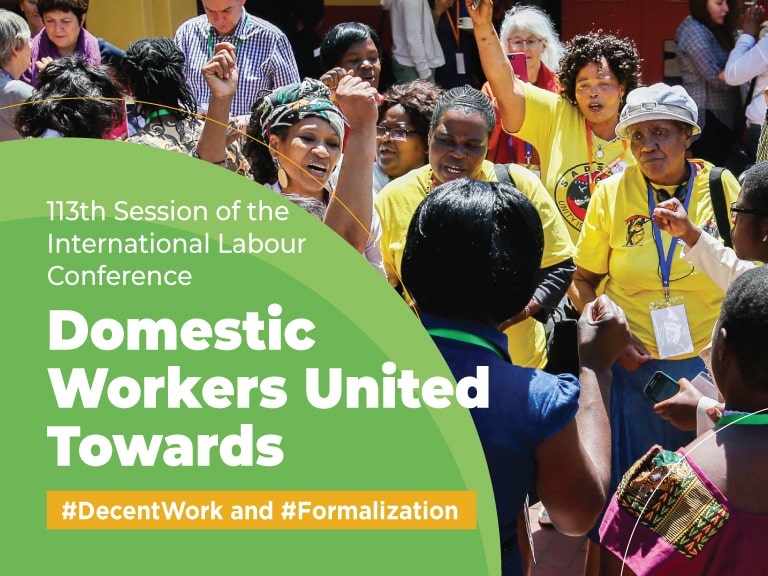
For domestic workers, gaining recognition within this space has been a long struggle. Over the last decades –and especially through the historic fight for Convention 189, adopted 15 years ago– domestic workers and their organizations have increasingly secured greater visibility, legitimacy and voice.
During the two-week Conference, delegates representing governments, employers and workers negotiate international labour standards and policy frameworks. Domestic worker leaders and representatives participate as part of the Workers’ Group and allied delegations to ensure that the voices, realities and demands of domestic workers continue to be heard in global labour discussions.
IDWF SIDE EVENT
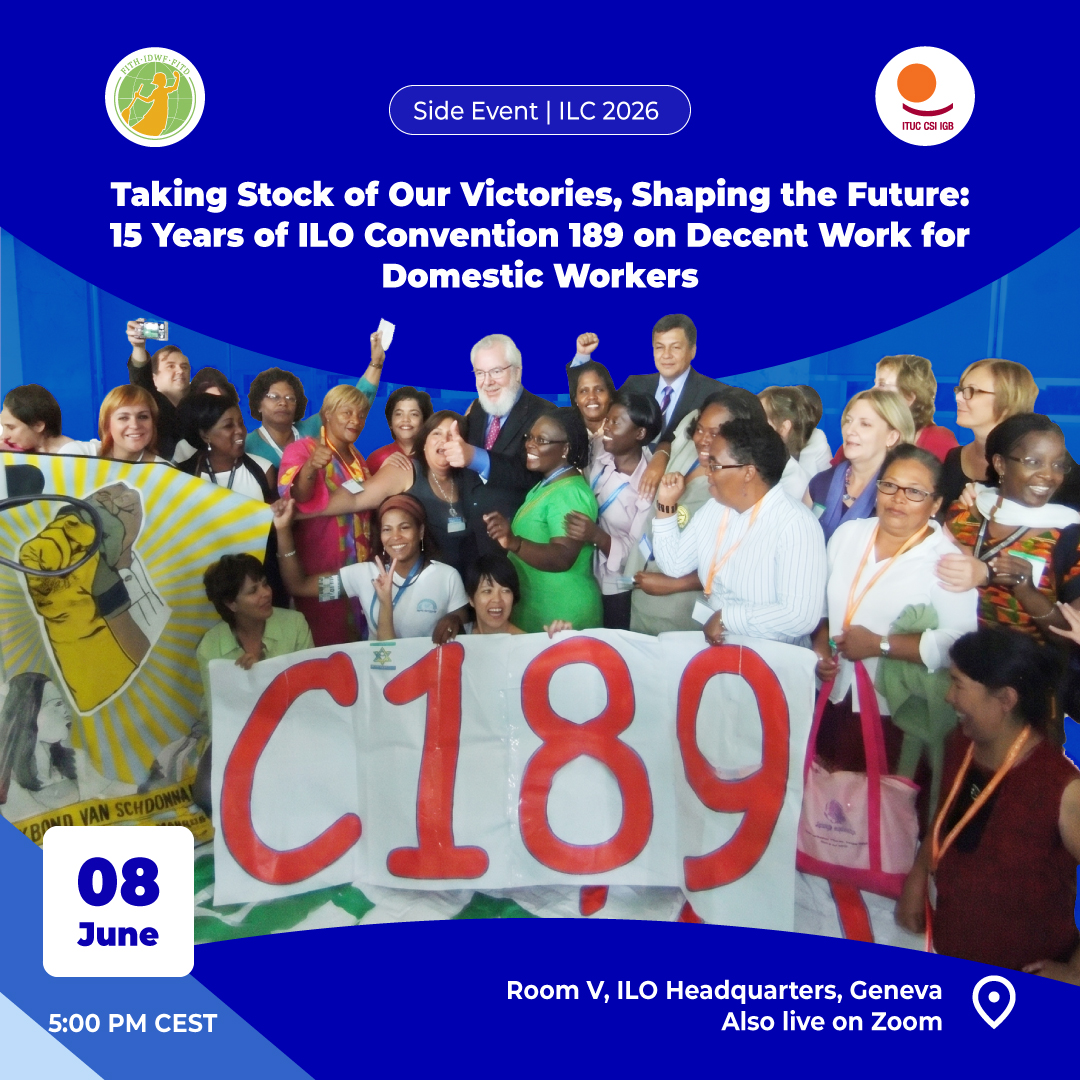
- Date: 08 June
- Time: 5:00 PM CEST
- Venue: Room V, ILO Headquarters, Geneva
- Also live on Zoom
- Interpretation: English, Spanish, French
2026 marks the 15th year anniversary of the historic adoption of ILO Convention 189 on Decent Work for Domestic Workers, a ground-breaking international labour standard that transformed the global recognition of domestic workers as workers with rights and a key pillar of the care economy. This side event seeks to celebrate victories achieved through C189 while strengthening dialogue among governments, workers, employers, trade unions and allies on the future of decent work for domestic workers.