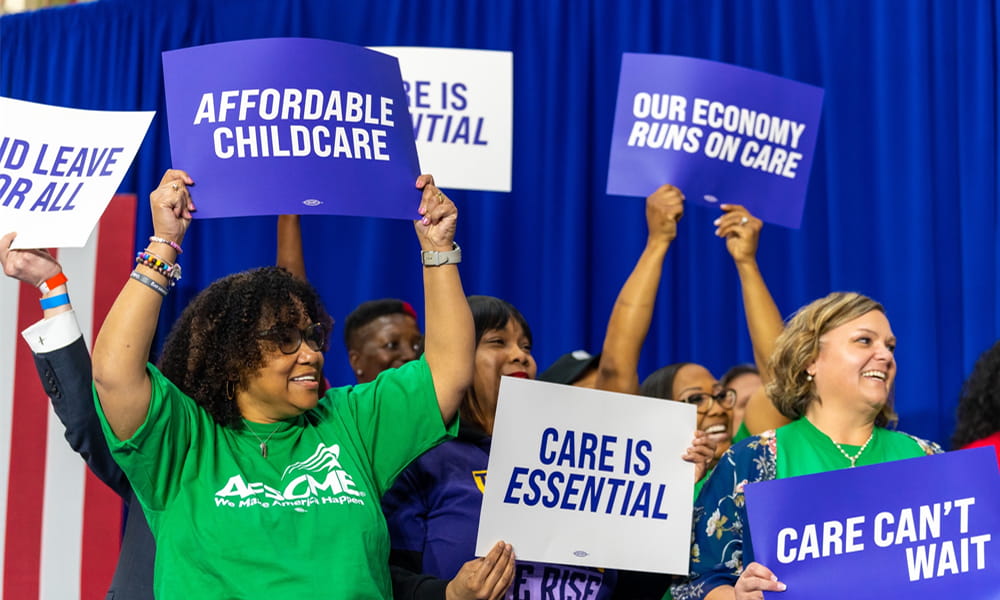
Every day, millions of domestic workers make other people’s lives possible.
We care for children as they grow. We support older persons as they age. We care for people with disabilities. We clean, cook, maintain homes and sustain the daily lives of families and communities. We make it possible for others to go to work, pursue their dreams and build their futures.
But who cares for us?
Who cares for our children when we must leave them behind to earn a living? Who protects us when we fall ill? Who ensures that, after a lifetime of caring for others, we can grow old with dignity and security?
We are workers. We are part of the care workforce. And we have the right to care, to be cared for, and to decent work.
Fifteen years of progress. Millions still waiting for their rights
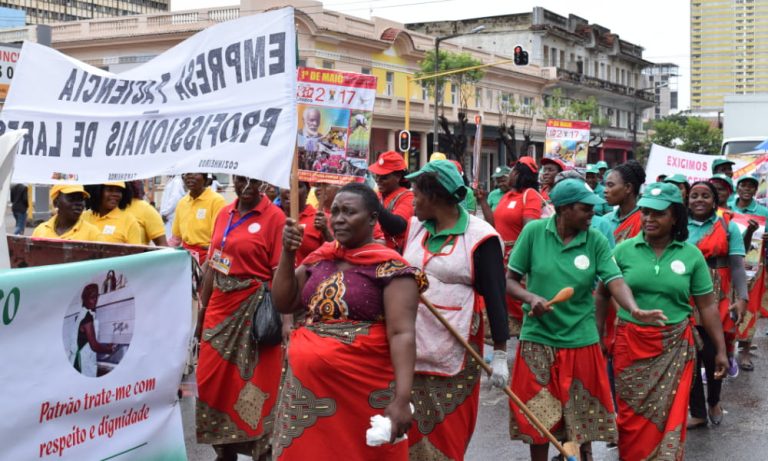
Fifteen years ago, domestic workers made history. After decades of organizing and struggling across borders, we won the adoption of ILO Convention 189, a historic recognition of our rights as workers. It was a victory that challenged generations of exclusion and told the world: Domestic work is work. Domestic workers are workers.
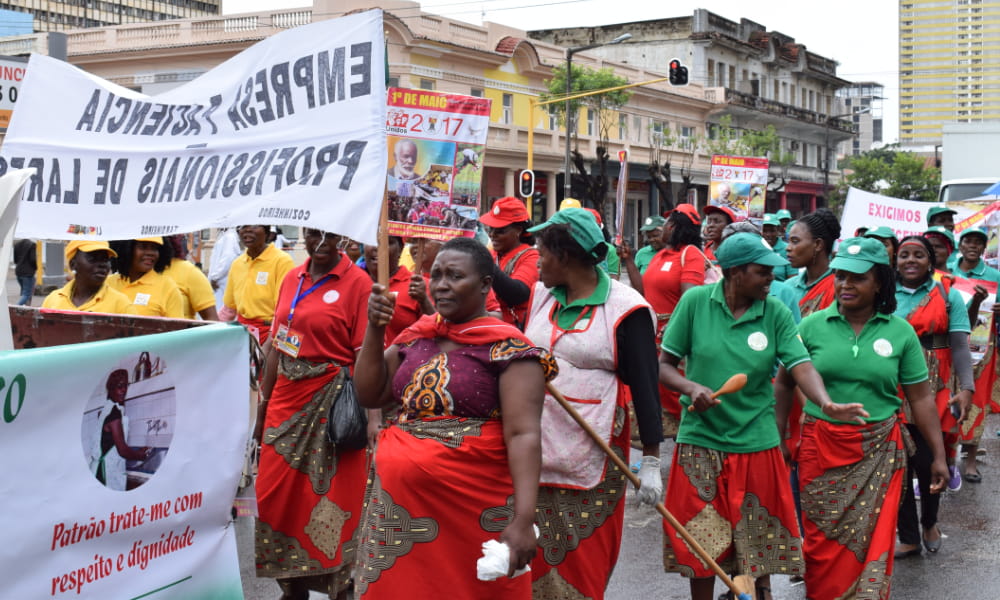
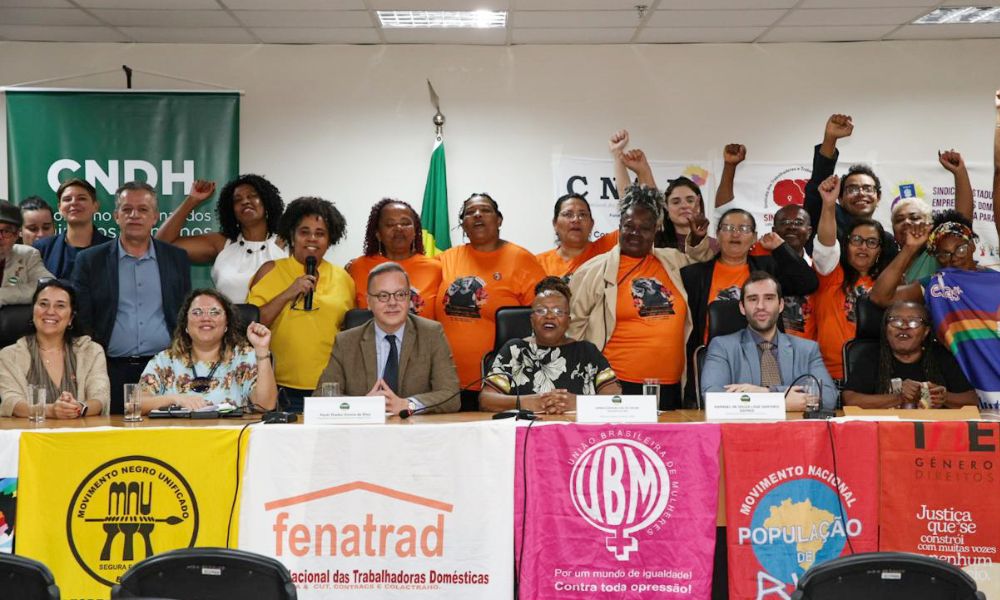
Since then, our movement has grown stronger. We have built unions and organizations, secured legal reforms, defended rights, developed new leaders and claimed our place at the tables where decisions about our lives are made.
But today, new figures from the International Labour Organization show us how much remains to be done. There are 80 million domestic workers worldwide. More than 66 million—83.1%—remain in informal employment, often without effective labour and social protection. Domestic workers earn, on average, barely half the monthly wages of other employees. More than one in three works at least 49 hours a week.
Behind every number is a worker, a family, a life.
The world depends on domestic workers, yet millions are still denied the rights and protections they deserve.
We cannot build a just care economy on injustice
Across the world, governments are increasingly recognizing the importance of care. But care cannot be considered essential while the workers who make it possible remain underpaid and unprotected.
We sustain households and care for others. Yet we also have families, responsibilities, dreams and care needs of our own.
Our right to care cannot come at the expense of our right to decent work. And our work caring for others cannot come at the expense of our own well-being.
We are not waiting for change. We are organizing to make it happen.
Our history has taught us that rights are not simply granted. They are won, defended and made real through collective action. Convention 189 was not a gift or happened by chance. It was the achievement won by domestic workers who organized, built alliances, raised their voices and refused to accept exclusion.
Today, our organizations continue that struggle.
We demand the ratification and effective implementation of C189; fair wages, social protection, safe working conditions and freedom from violence and harassment; and the right to organize and bargain collectively.
We demand equal rights and effective protections for migrant domestic workers, regardless of migration status.
And we demand a meaningful voice in shaping the policies and care systems that determine our lives.
Formalization must mean more than recognition on paper. It must mean rights and protections in practice.
The next fifteen years begin with us
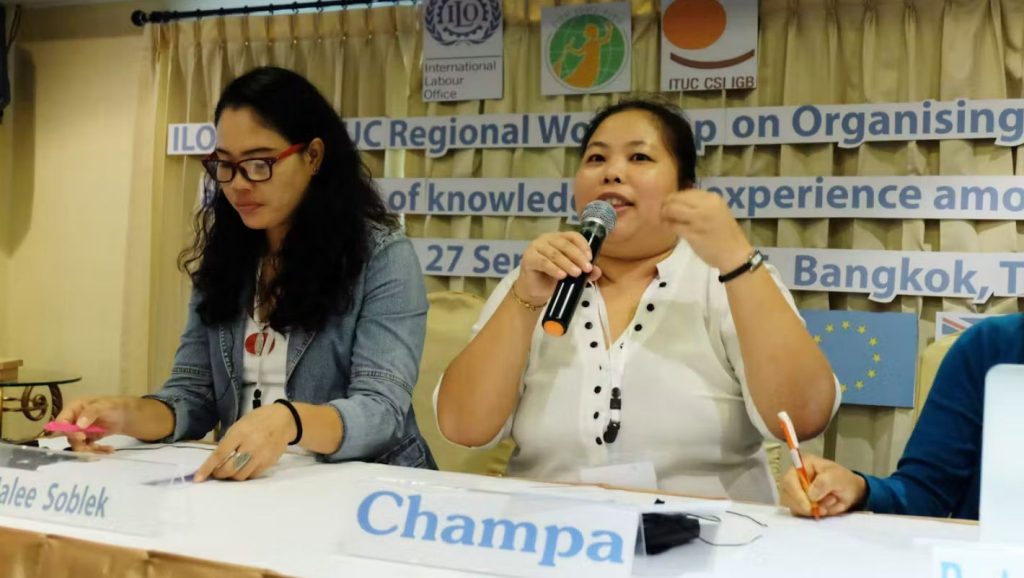
In the coming days, governments, employers and domestic workers will gather in Montevideo for the ILO Global Tripartite Conference on Domestic Work. This is an opportunity to recognize what our movement has achieved, confront the inequalities that persist and commit to the changes still needed.
But the future of domestic work will not be shaped by international meetings alone. It will be shaped by domestic workers organizing in their communities, building unions, negotiating with employers, holding governments accountable and standing together across borders.
To every domestic worker: Our work matters. Our lives matter. Our voices matter.
We have already changed what the world believes is possible. Now we must make decent work a reality for every domestic worker.
We care for the world. It is time for the world to recognize our rights—and for us to shape the future of care.
Nothing about us without us. Everything about us, with us.