Contributors: Rothna Begum/Equal Times
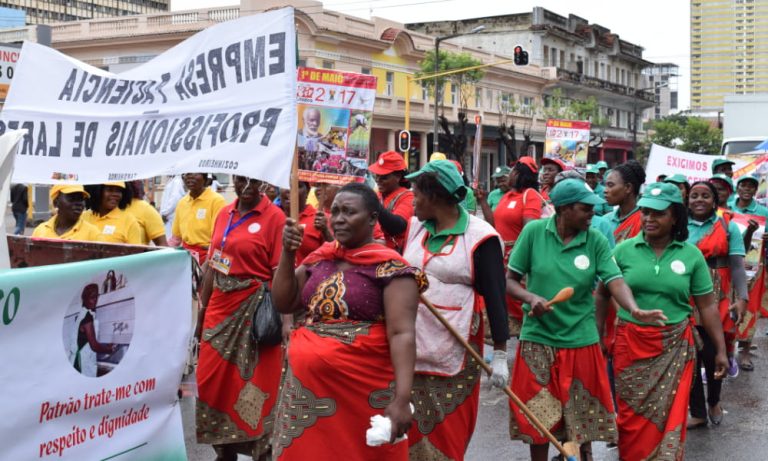
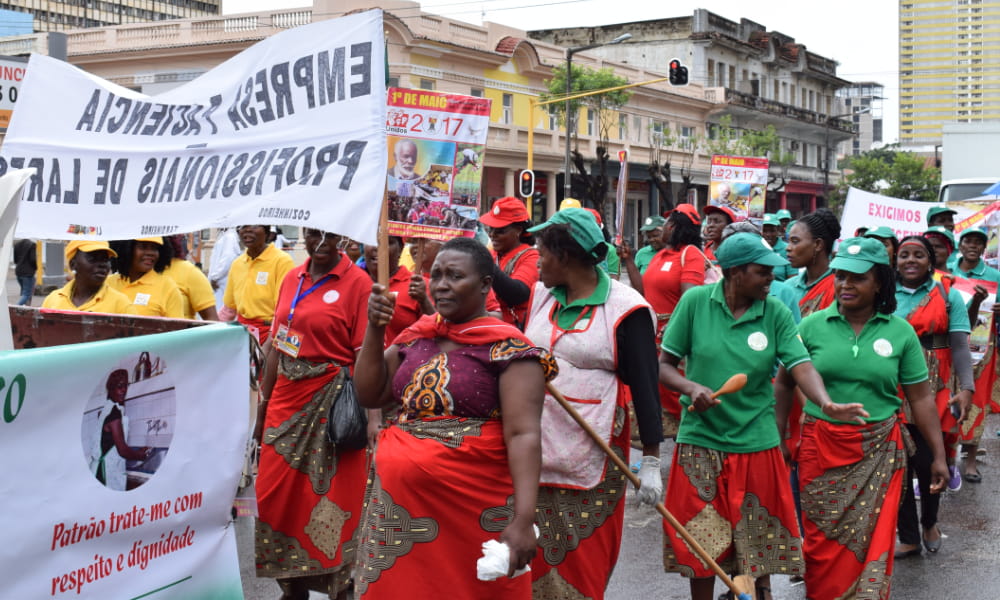
On International Domestic Workers’ Day, we celebrate a growing movement to assert the rights of this vast but hidden workforce. An estimated 67.1 million people are employed in domestic work around the world, most of them women. They cook, clean, and care for children and the elderly. But working behind closed doors in private homes, many have few legal protections and regularly experience exploitation and abuse.
Details
On International Domestic Workers’ Day, we celebrate a growing movement to assert the rights of this vast but hidden workforce. An estimated 67.1 million people are employed in domestic work around the world, most of them women. They cook, clean, and care for children and the elderly. But working behind closed doors in private homes, many have few legal protections and regularly experience exploitation and abuse.
In many countries, laws and policies reinforce long-held perceptions that domestic work does not constitute “real” work. Over the years, I’ve heard recruiters, employers, and government officials explain that domestic work is not arduous, and describe prejudicial views to justify unequal treatment of workers. In Dubai, one recruitment agent said to me: “Housemaids are small-minded. If big-minded, she wouldn’t do this work.” An employer in Abu Dhabi told me: “Domestic workers are like clay. You do whatever you want to do [to them].”
Domestic work remains one of the most undervalued and least regulated forms of employment. Many of the world’s domestic workers are excluded from protections in their country’s labor laws. Restrictive immigration systems also leave migrant domestic workers — around 11.5 million worldwide — at heightened risk of abuse.
Twenty-two countries have ratified the treaty
But five years ago today, the international community took a momentous step toward changing that. Now it’s time for individual countries to follow through.
On June 16, 2011, the International Labour Organization (ILO) adopted a landmark treaty, the Convention on Decent Work for Domestic Workers. The treaty is the first to set out the rights of domestic workers. It requires countries to guarantee domestic workers the same rights as other workers regarding daily and weekly rest periods, working hours, overtime compensation, and paid annual leave; as well as adequate protection against violence.
Domestic worker associations, human rights organizations, and trade unions combined efforts to get the treaty adopted and later ratified. Twenty-two countries have ratified the treaty, and many more have adopted labor law reforms improving protection for domestic workers.
These are important, hard-won achievements, but there is still a long way to go.
For example, in the Gulf Cooperation Council (GCC) countries — which host over two million migrant domestic workers — migrant workers’ visas are tied to their employers under the “kafala” system. They cannot change jobs without their employer’s consent, and if they escape an abusive employer, workers can be punished for “absconding” with imprisonment, fines, and deportation.
This has led to a plethora of abuses. Almost all of the hundreds of migrant domestic workers I have interviewed in GCC countries told me that their employers confiscated their passports to ensure they would not escape. Many recounted how their employers forced them to work, in extreme cases, up to 21 hours a day with no rest and no day off; did not pay them their full salaries, if at all; gave them little or spoiled food; shouted at them daily; or even physically or sexually abused them.
But even in the Gulf things have started to change. All GCC governments voted in favor of the ILO domestic workers convention and while they have yet to ratify it, some have taken steps to increase legal protections for domestic workers. Kuwait, for instance, passed a law in June 2015 providing domestic workers with labor rights for the first time such as a weekly day off, overtime compensation, and annual leave.
Today, as domestic workers around the globe celebrate their achievements, governments should take action to ensure continued progress. They should take this opportunity to ratify the ILO convention, reform their laws and policies to protect domestic workers’ rights, and ensure that such rights are made a reality.
Source: Rothna Begum/Equal Times