15 Years After C189: The Next Chapter Starts with Collective Power Montevideo, Uruguay | 3–7 November 2026
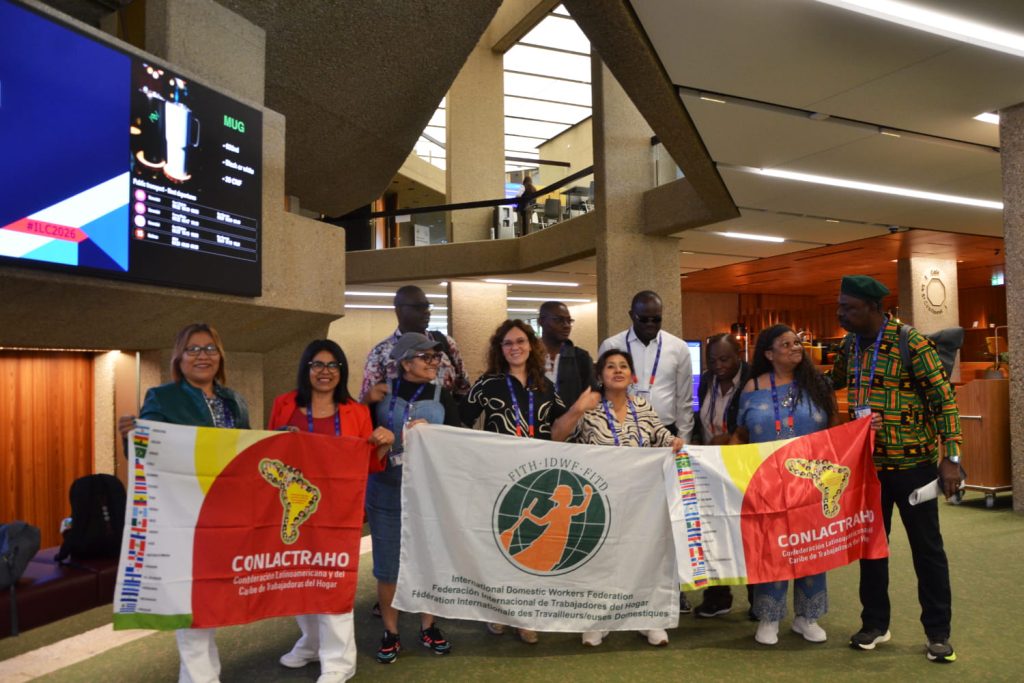
Fifteen years after the adoption of ILO Convention No. 189, domestic worker leaders gathered in Montevideo to confront the gap between rights on paper and rights in practice—and to shape the next chapter of their movement. Across five days, they brought solutions to international negotiations, advanced IDWF’s strategic direction and stood alongside Uruguay’s domestic workers in commemorating twenty years of landmark domestic work legislation.
The urgency: Rights must become reality
In 2011, after decades of organizing, domestic workers won a historic recognition: domestic work is work, and domestic workers deserve the same rights as other workers. Yet the new ILO statistical brief cited during the conference reveals that 83.1% of domestic workers remain in informal employment; on average, they earn 53.3% of other employees’ monthly wages; and 35.2% work at least 49 hours a week. Behind these figures are millions of skilled workers whose labour sustains households, economies and care systems.
November 3–5 | We came with solutions
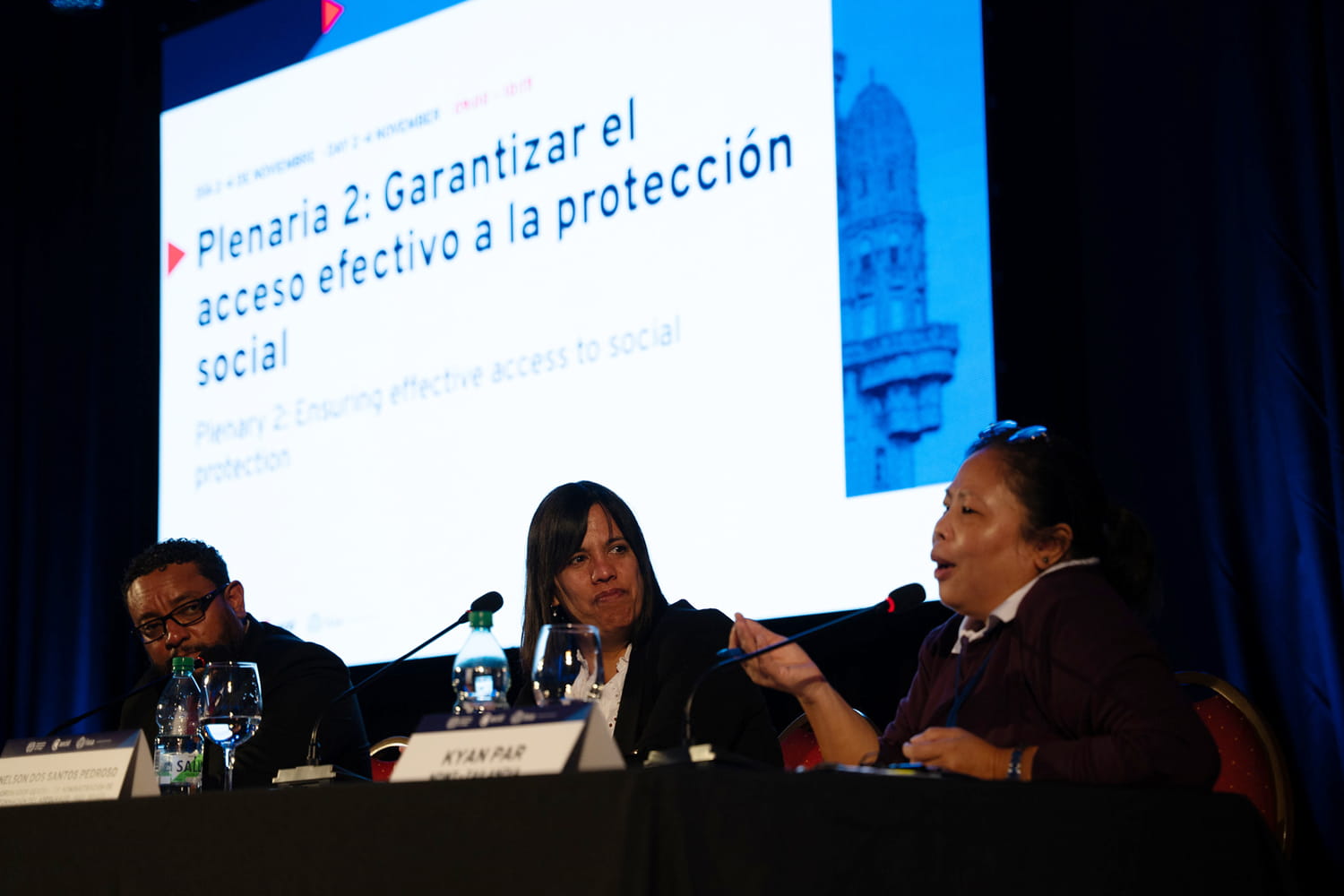
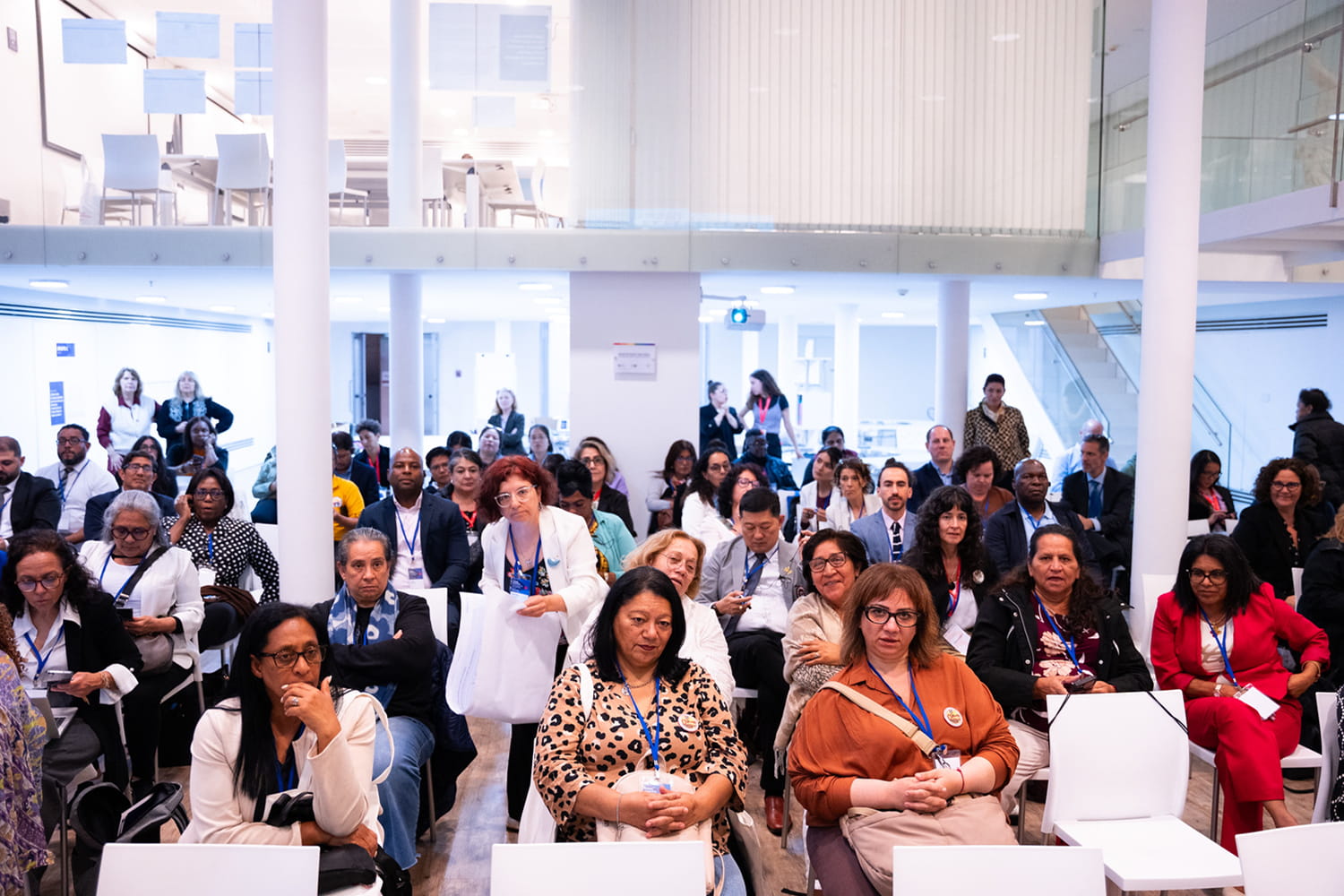
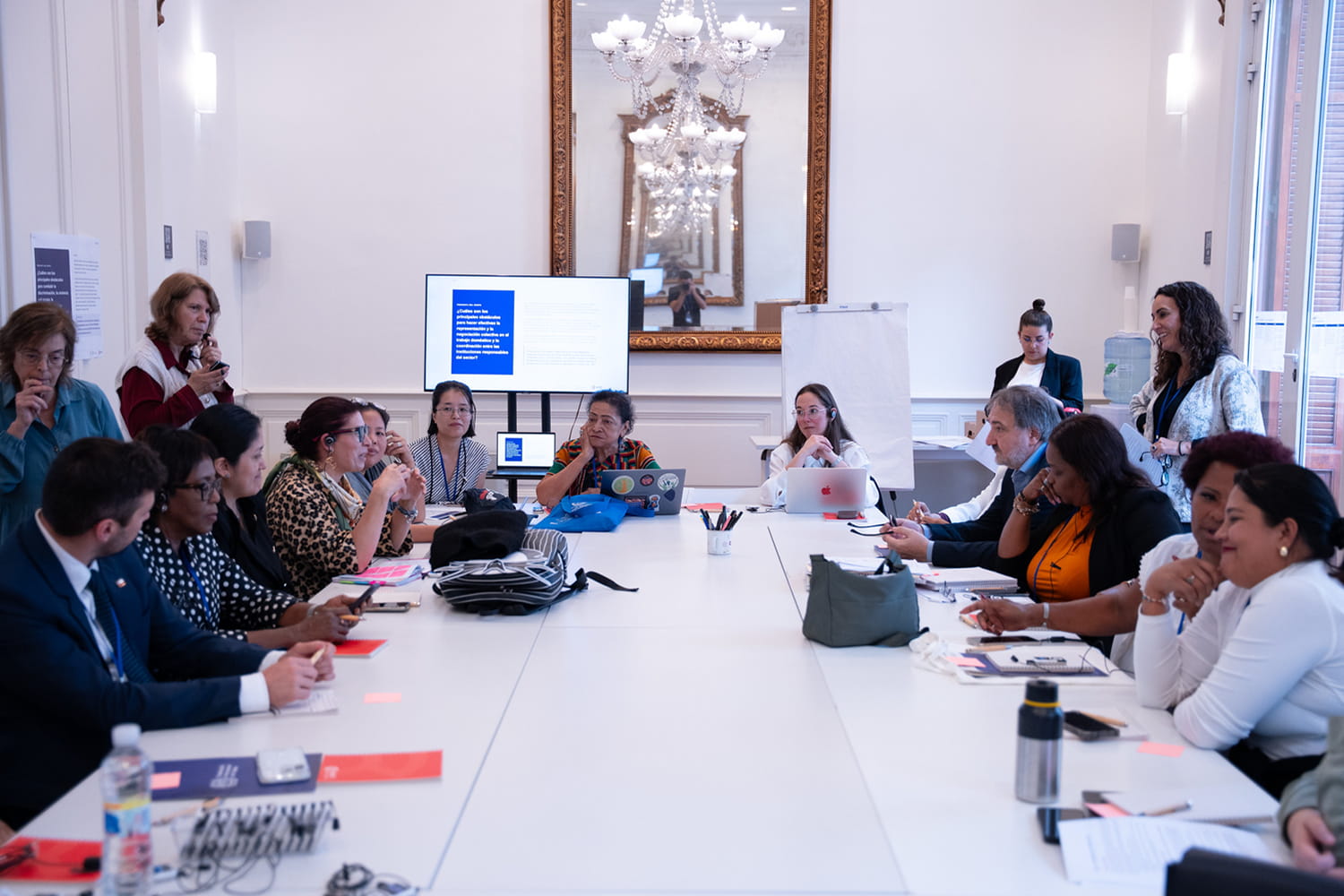
At the Global Tripartite Conference on Domestic Work, organized by the International Labour Organization (ILO) and International Social Security Association (ISSA), with support from AECID, more than 40 domestic worker leaders joined governments and employers to identify priorities for turning international commitments into effective protection.
Workers put forward practical proposals on formalization, social protection, fair wages, skills recognition, labour inspection, fair recruitment, violence and harassment, and access to justice. Discussions also addressed care, migration, digital platforms and the impact of crises and climate change.
Across five working groups, domestic workers contributed concrete proposals for action, reinforcing that meaningful social dialogue must lead to implementation.
The conference ended without tripartite agreement on a proposed Roadmap. This was a serious disappointment, but it does not erase the solutions developed or the responsibility to act. Domestic workers came ready to build a shared way forward and remain determined to see their proposals translated into action.
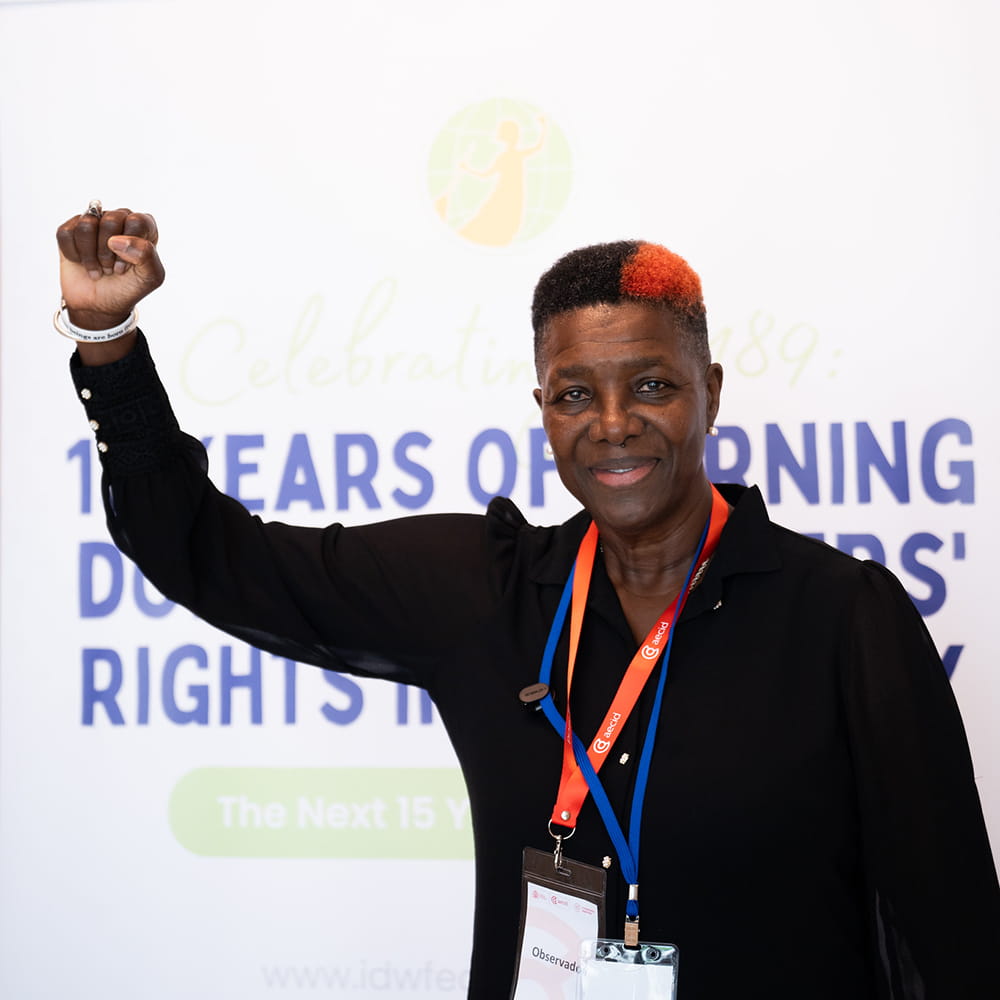
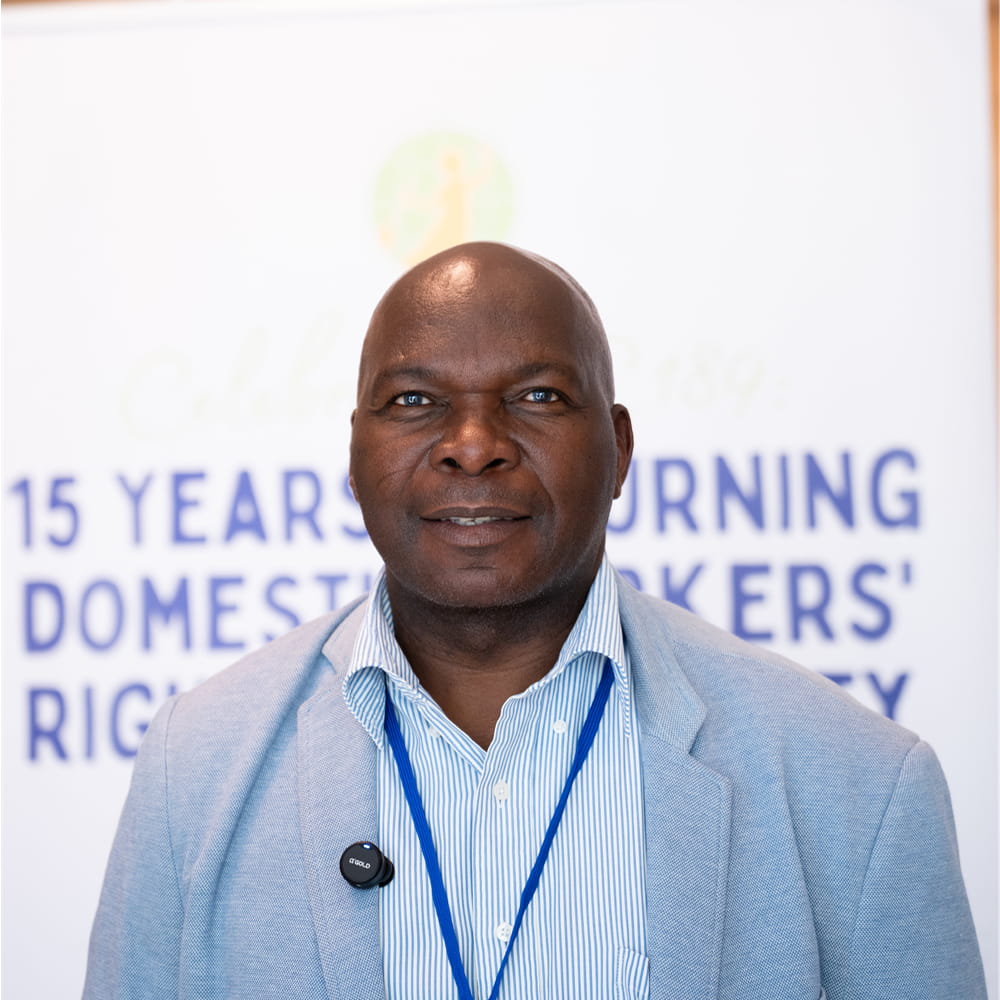
IDWF Vice President, June Barrett, at the Global Tripartite Conference on Domestic Work. Montevideo, Uruguay, November 3-5, 2026. Photo: Eduardo Derrico, IDWF
“Domestic workers have fought for years to have a seat at the table. But tripartism must be a bridge to justice, not a barrier to progress. We don’t need another 15 years of empty promises. We are tired of promises. We need rights at work, we need protection that reaches us, and we need action. We didn’t get a road map, but we got our strategies here and we’ll continue to demonstrate our determination, our unity, and our strength. There is power in organizing, and domestic workers have been organizing for years. And domestic workers will win.”
DWF Vice President June Barrett speaking at the closing session of the Global Tripartite Conference on Domestic Work. Montevideo, Uruguay, November 5, 2026.
IDWF General Secretary Adriana Paz and CONLACTRAHO General Secretary Cleide Silva Pereira Pinto speaking at the closing session of the Global Tripartite Conference on Domestic Work. Montevideo, Uruguay, November 5, 2026. Video source: IDWF
November 6 | IDWF charts its 2026-2030 Strategic Direction
IDWF leadership and coordinators reviewed the proposed 2026–2030 Strategic Plan, building on the collective direction established in Nairobi, earlier this year. The day also marked the launch of IDWF’s Theory of Change Toolkit, providing practical resources to help affiliates translate the Federation’s vision into action.
The Plan is structured around three pillars: Federation Development; Capacity Building; and Advocacy, Research and Campaigns. Across these, IDWF advances priorities on decent work and the care economy (C189), migration, human trafficking, and gender-based violence and harassment (C190), while addressing emerging challenges related to climate, digital platforms, new technologies, and diversity.
Drawing on lessons from the ILO conference and challenges ahead, discussions reinforced priorities for stronger, more sustainable unions, worker-led organising and leadership, and greater influence over laws and policies. They also highlighted the importance of strategic partnerships, solidarity, support and trust to translate collective priorities into lasting change.
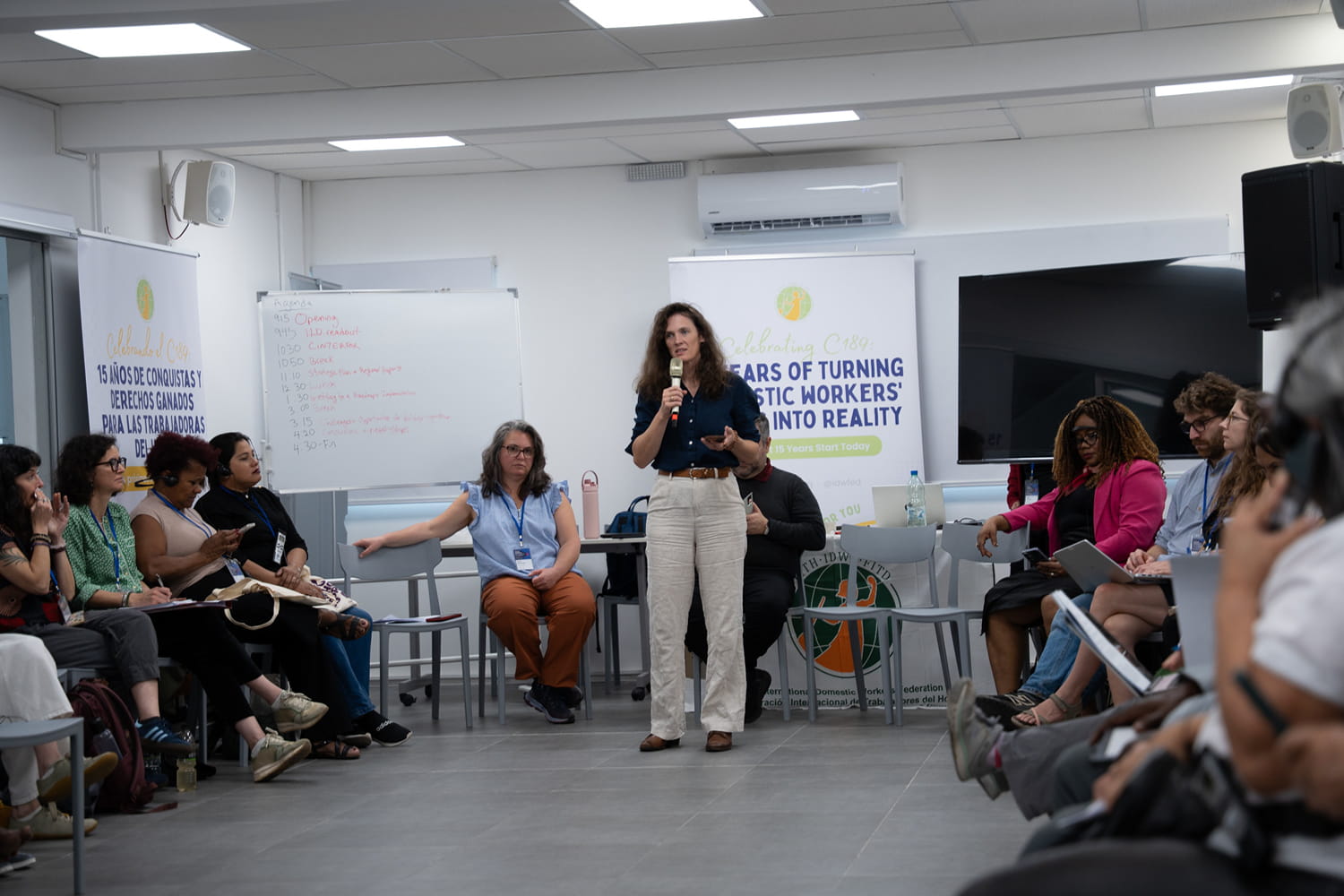
IDWF President, Toindepi Dhure, at the Global Tripartite Conference on Domestic Work. Montevideo, Uruguay, November 3-5, 2026. Photo: Eduardo Derrico, IDWF
“Democracy is a domestic worker sitting at the table where her wages are decided.”
Toindepi Dhure, IDWF President
IDWF President, Toindepi Dhure, at the Global Tripartite Conference on Domestic Work. Montevideo, Uruguay, November 3-5, 2026. Photo: Eduardo Derrico, IDWF
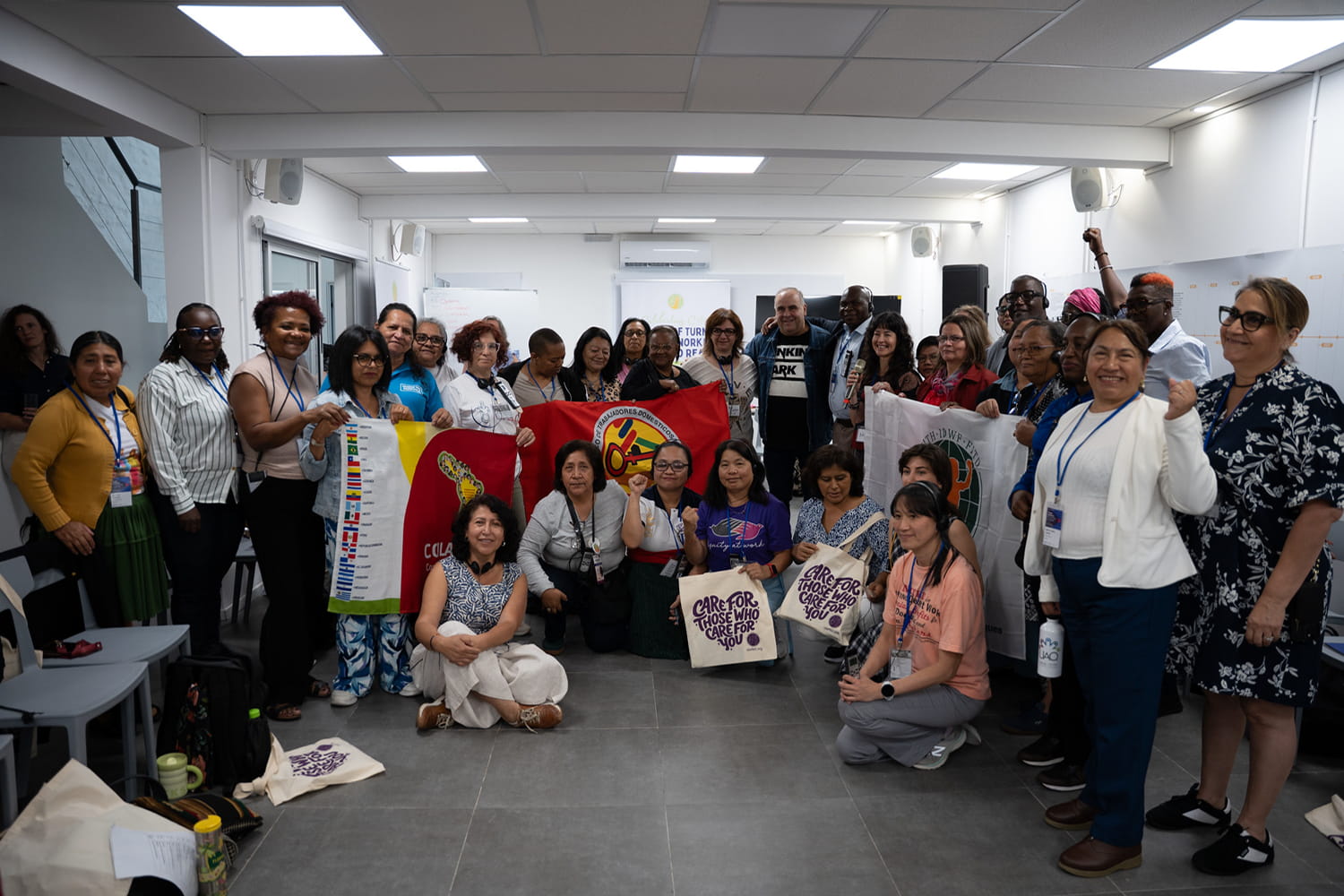
IDWF leadership, staff, and allies gathered at PIT-CNT headquarters in Montevideo, Uruguay, on November 6, 2026. Photos: Eduardo Derrico, IDWF.
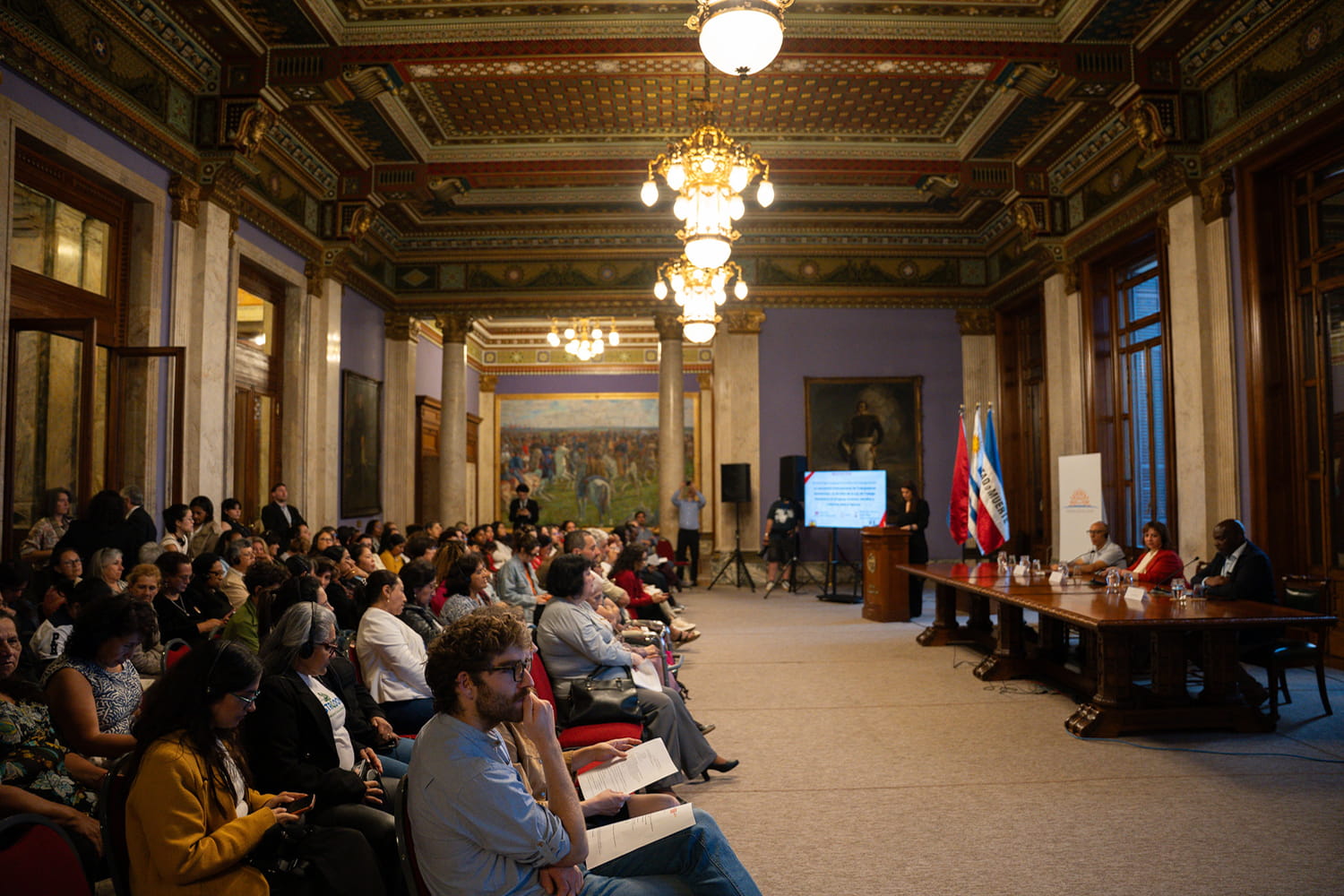
Later that day, IDWF leaders joined the Sindicato Único de Trabajadoras Domésticas (SUTD) at Uruguay’s Parliament for the opening of the international conference “20 Years of the Domestic Work Act in Uruguay: Progress, Challenges and Reforms for the Future,” commemorating the twentieth anniversary of Act No. 18.065. The gathering celebrated progress in domestic workers’ labour rights while highlighting the challenges and reforms still ahead.
Celebration of the 20th anniversary of Uruguay's domestic work law at the Parliament building in Montevideo. November 6, 2026. Photo: Eduardo Derrico, IDWF.
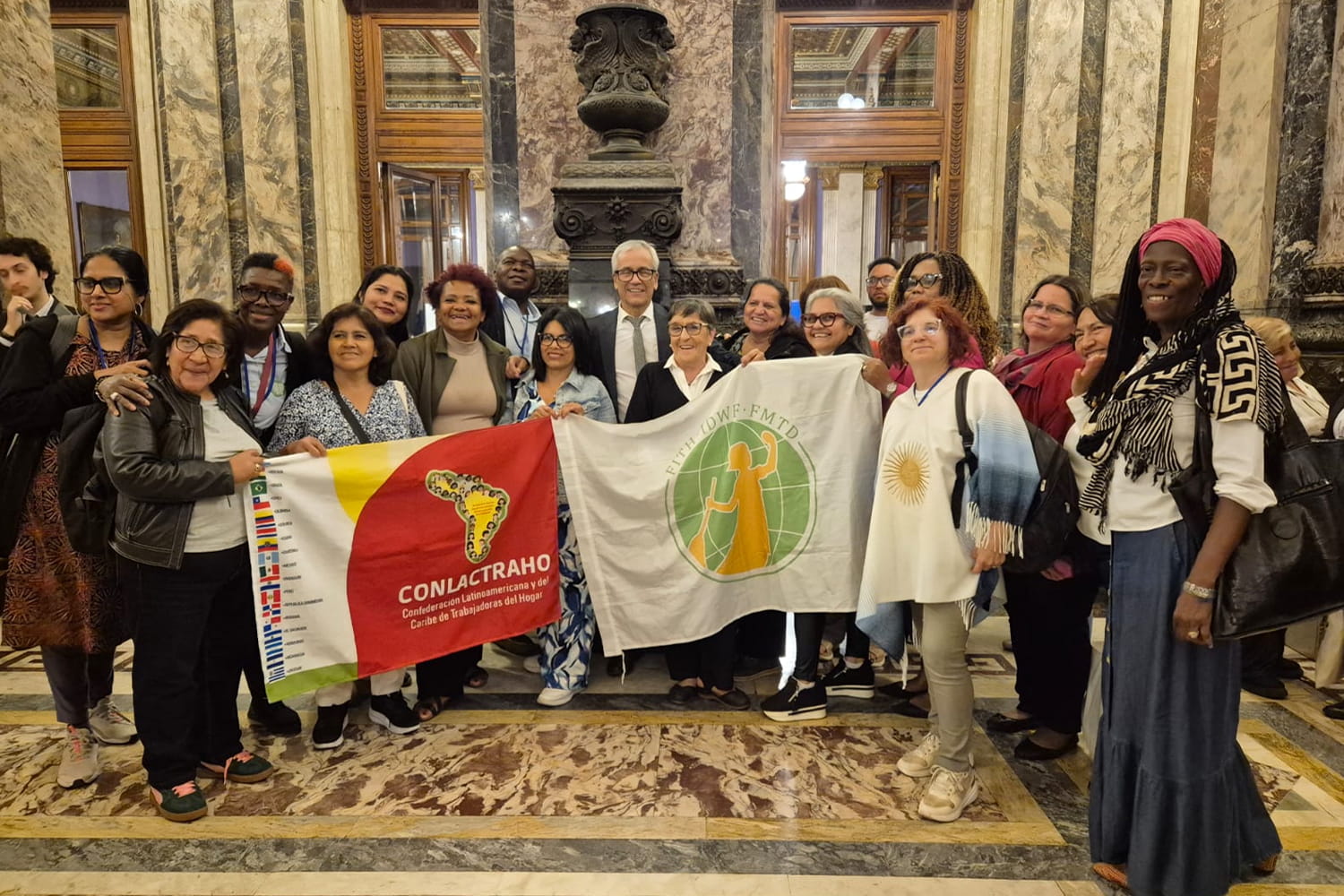
Domestic worker leaders from around the world meet with Uruguay's Minister of Labor, Juan Castillo, at the Parliament building in Montevideo. November 6, 2026. Photo: IDWF.
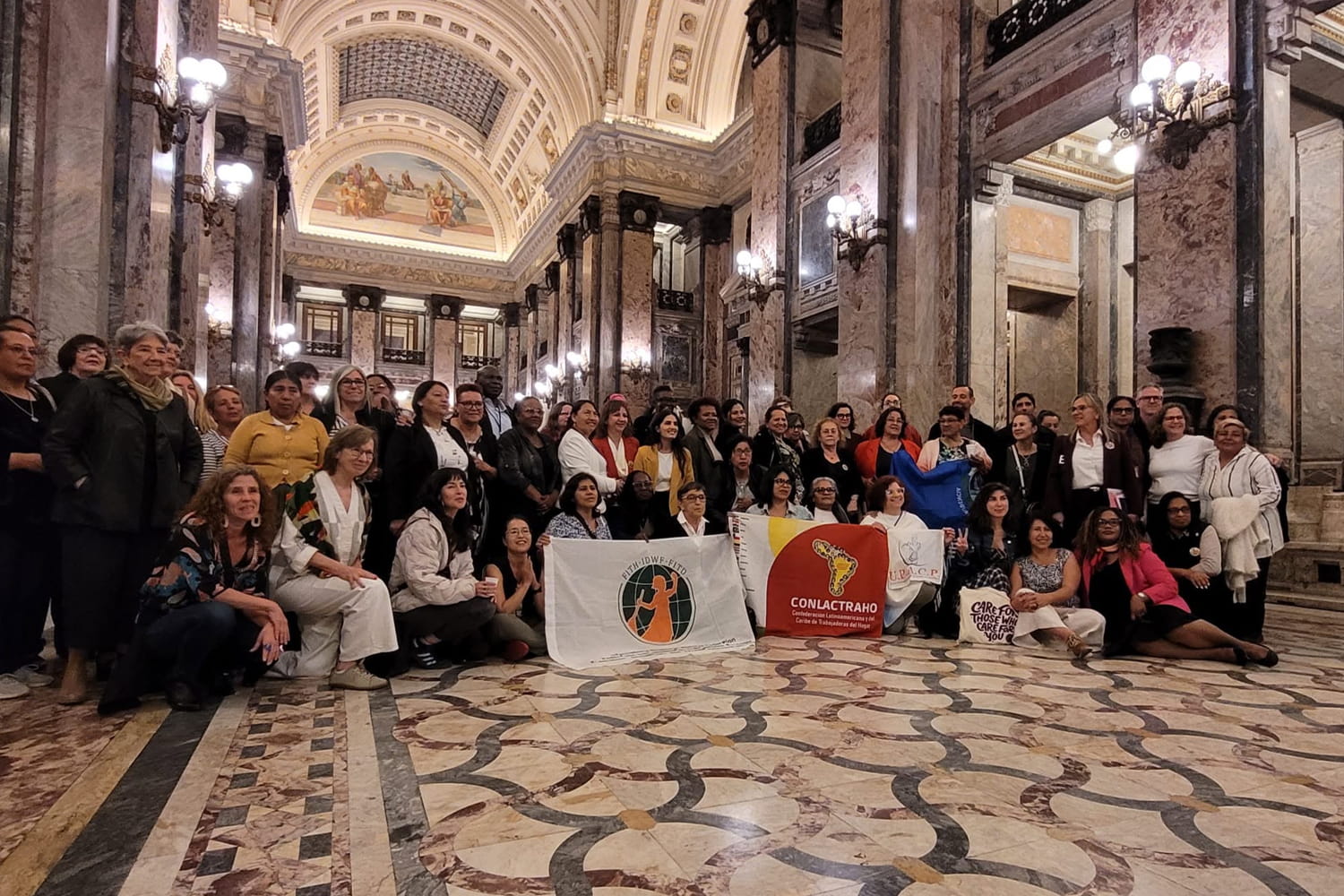
IDWF leaders from all regions join SUTD members to celebrate the 20th anniversary of Uruguay's domestic work law at the Parliament building in Montevideo. November 6, 2026. Photo: IDWF.
November 7 | Uruguay's Domestic Workers Lead the Way
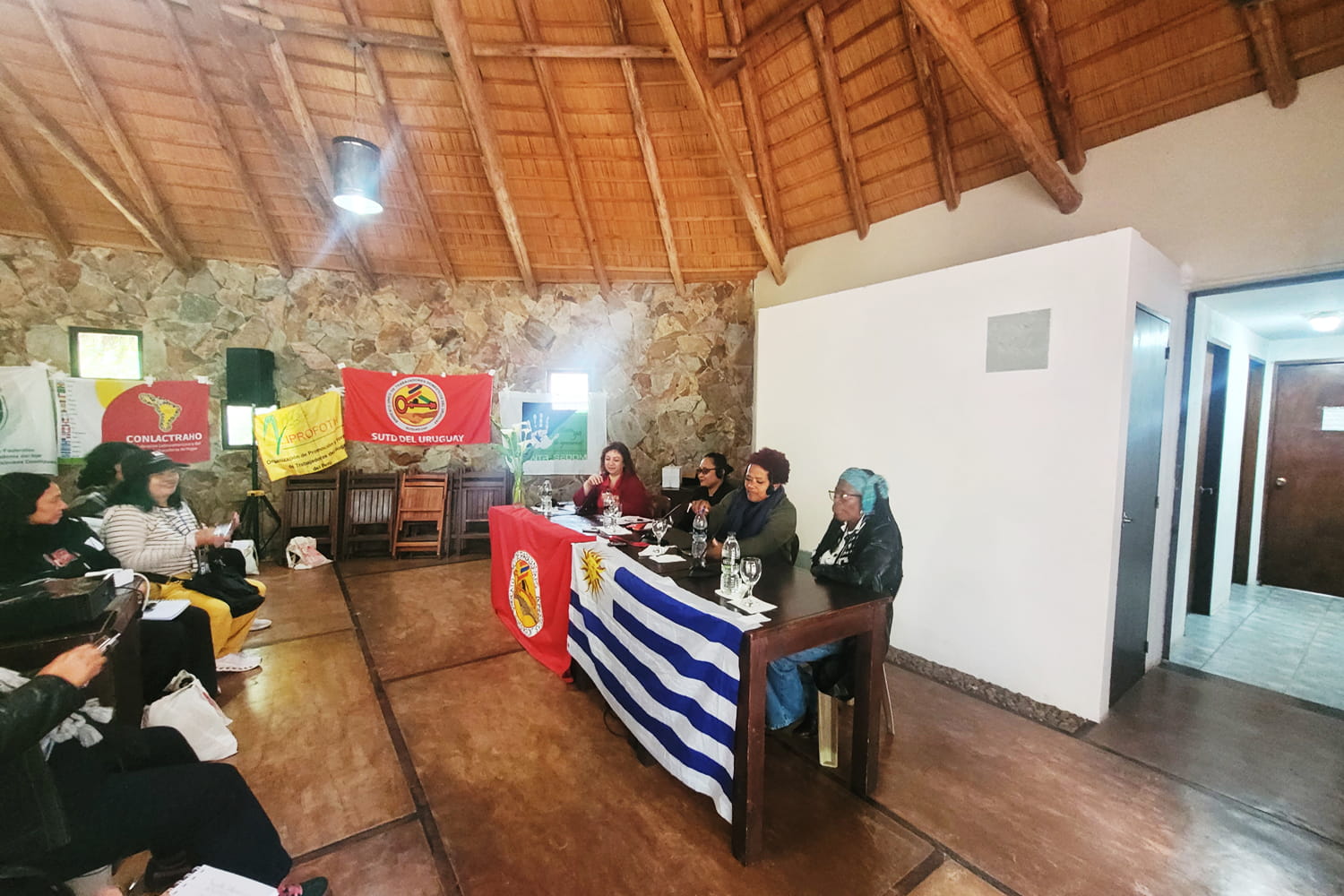
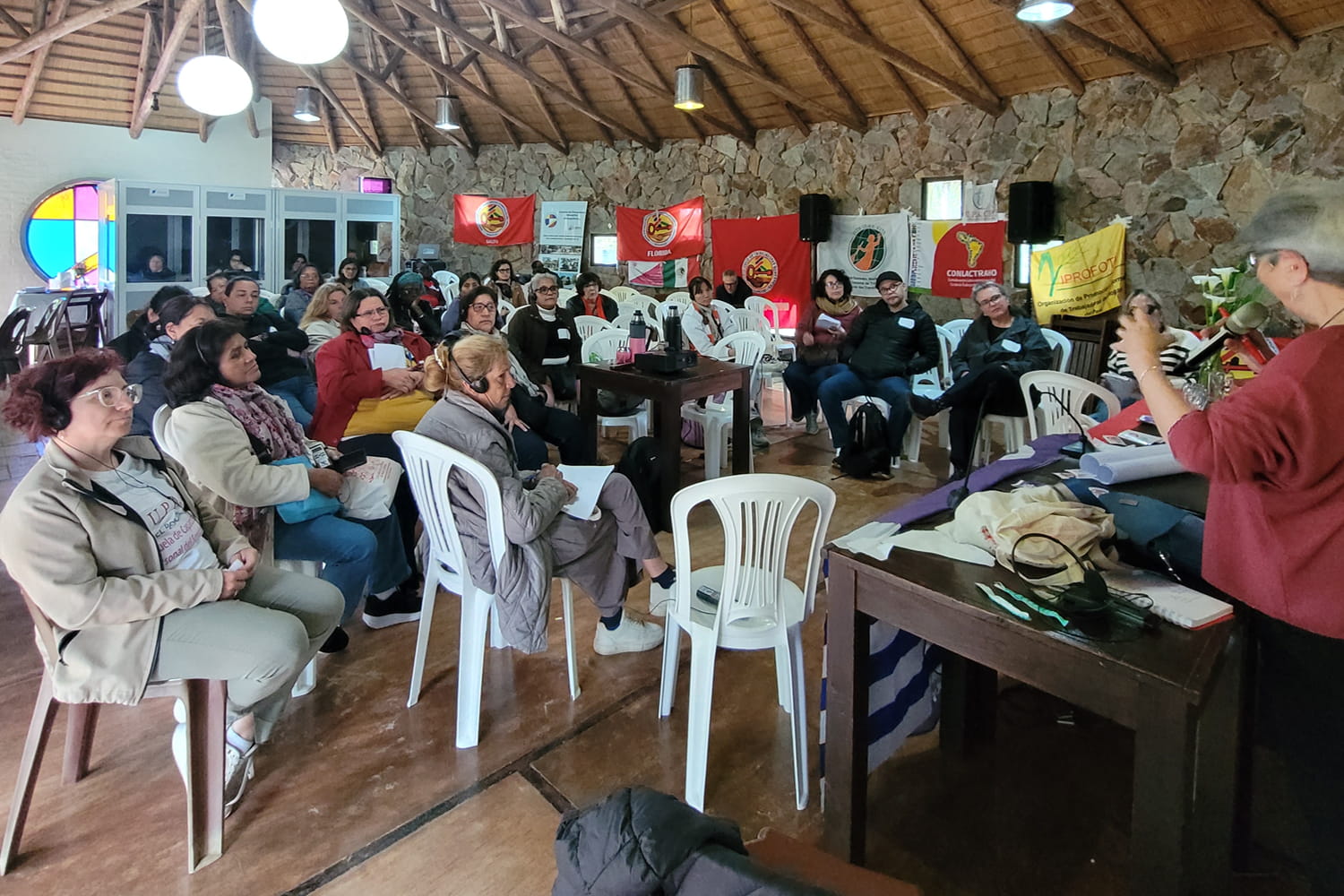
On November 7, the Sindicato Único de Trabajadoras Domésticas (SUTD) brought together domestic worker leaders from Uruguay and around the world to commemorate twenty years of Uruguay’s domestic work law and exchange experiences on the challenges ahead.
Discussions focused on labour inspections, collective bargaining, formalisation and recognition of domestic work. The gathering highlighted the importance of sustained union organising and international solidarity in turning legal protections into reality.
SUTD’s long history of struggle reminds us that rights become real when domestic workers organize, negotiate, shape policy and hold institutions accountable. Uruguay was not only the setting for these conversations; its domestic workers are the protagonists.
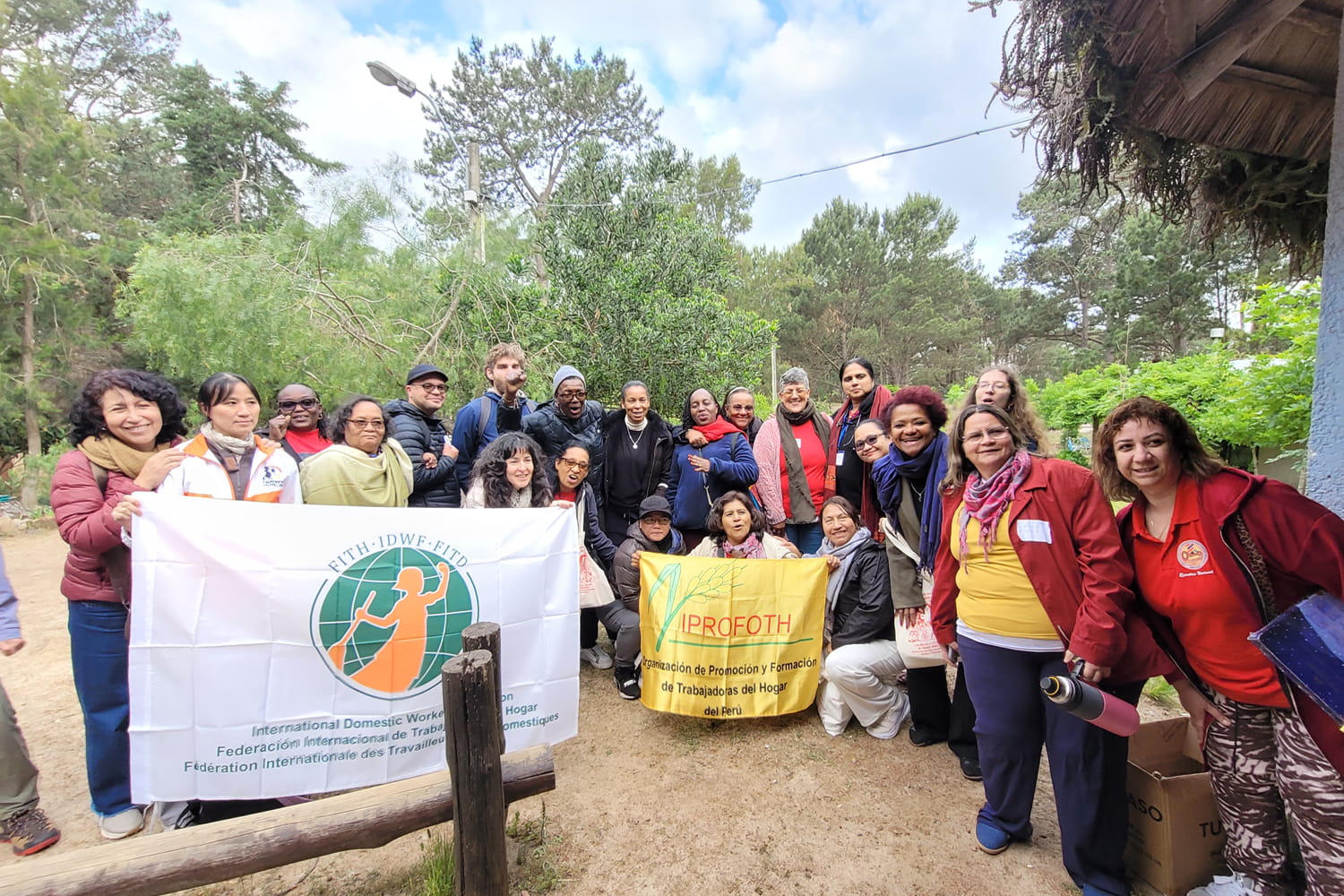
Domestic worker leaders from around the world exchange experiences with their Uruguayan comrades at a gathering hosted by SUTD in Jaureguiberry, Uruguay, on November 7, 2026. Photos: IDWF.
The Next Fifteen Years Start Now
Fifteen years after C189, domestic workers continue to confront changing care needs, migration, climate change, digitalisation and threats to labour rights. The discussions in Montevideo reaffirmed a shared priority: turning international commitments into enforceable rights through stronger unions, collective action and worker-led advocacy.
“Nothing about us without us” remains the principle guiding the next chapter. The Roadmap may not have been agreed, but domestic workers’ determination to shape their own future remains stronger than ever.
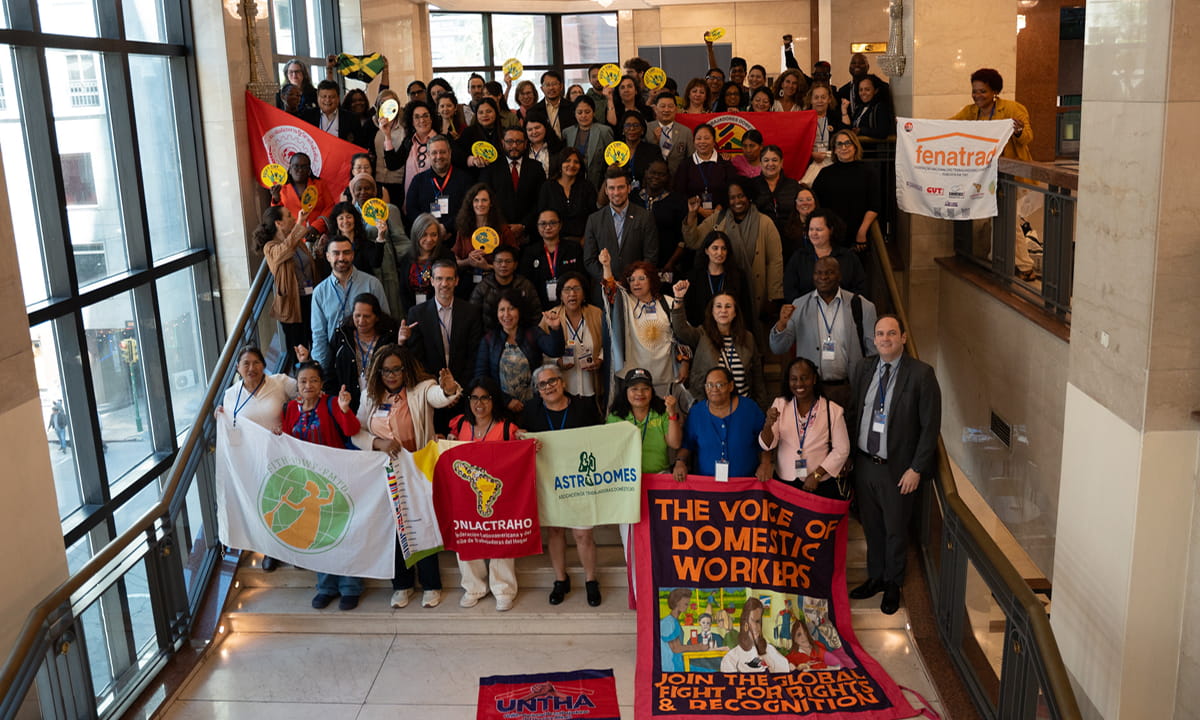
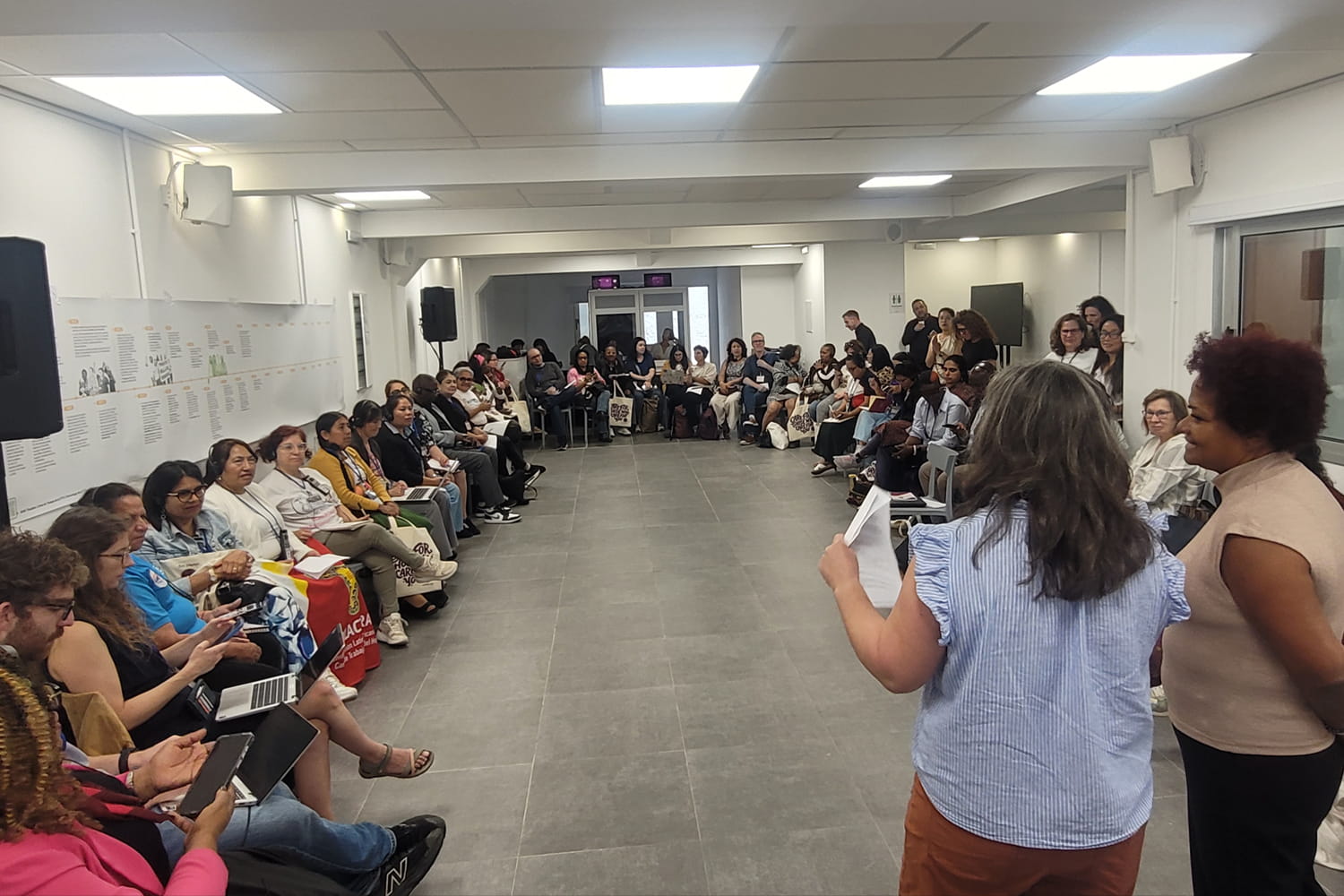
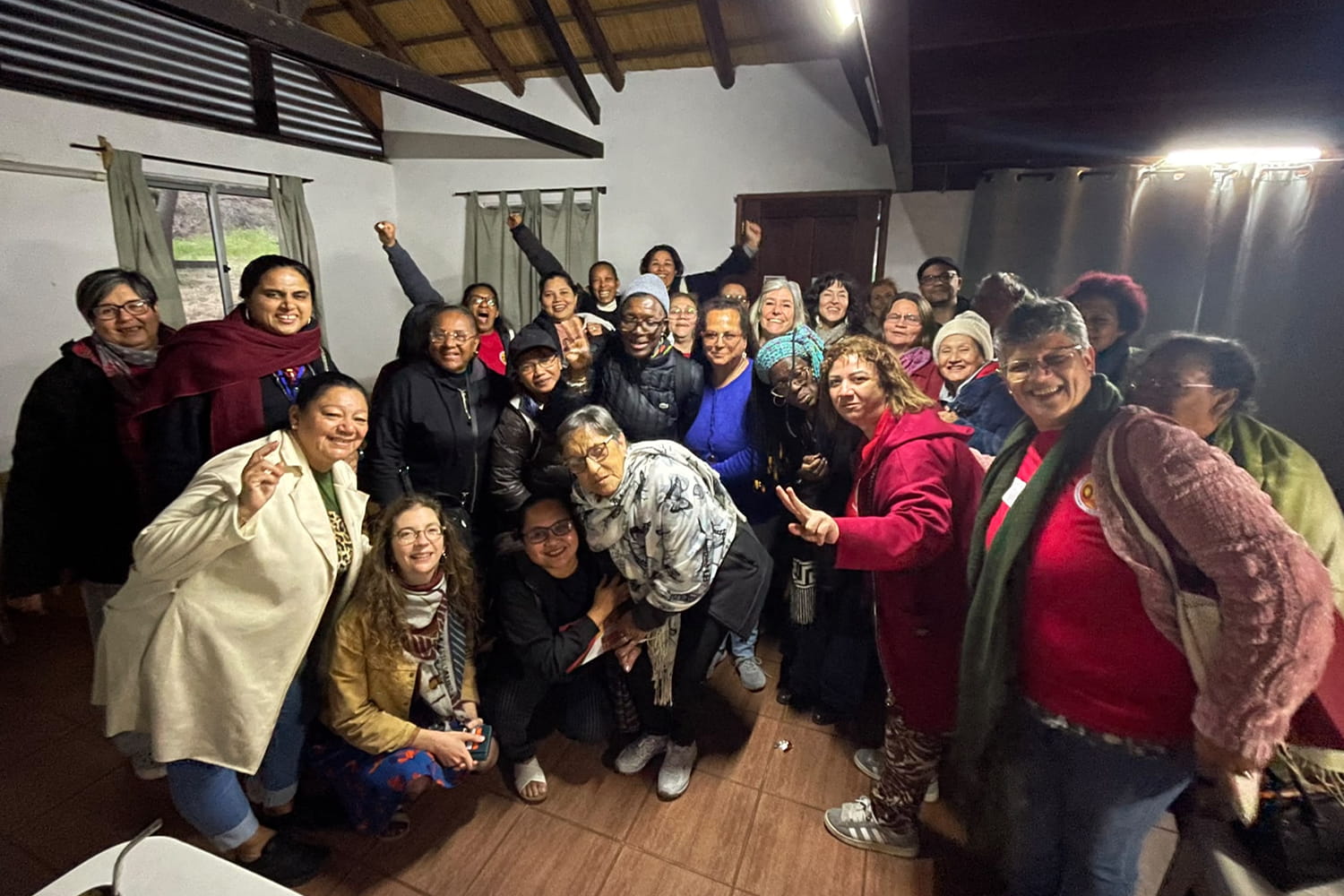
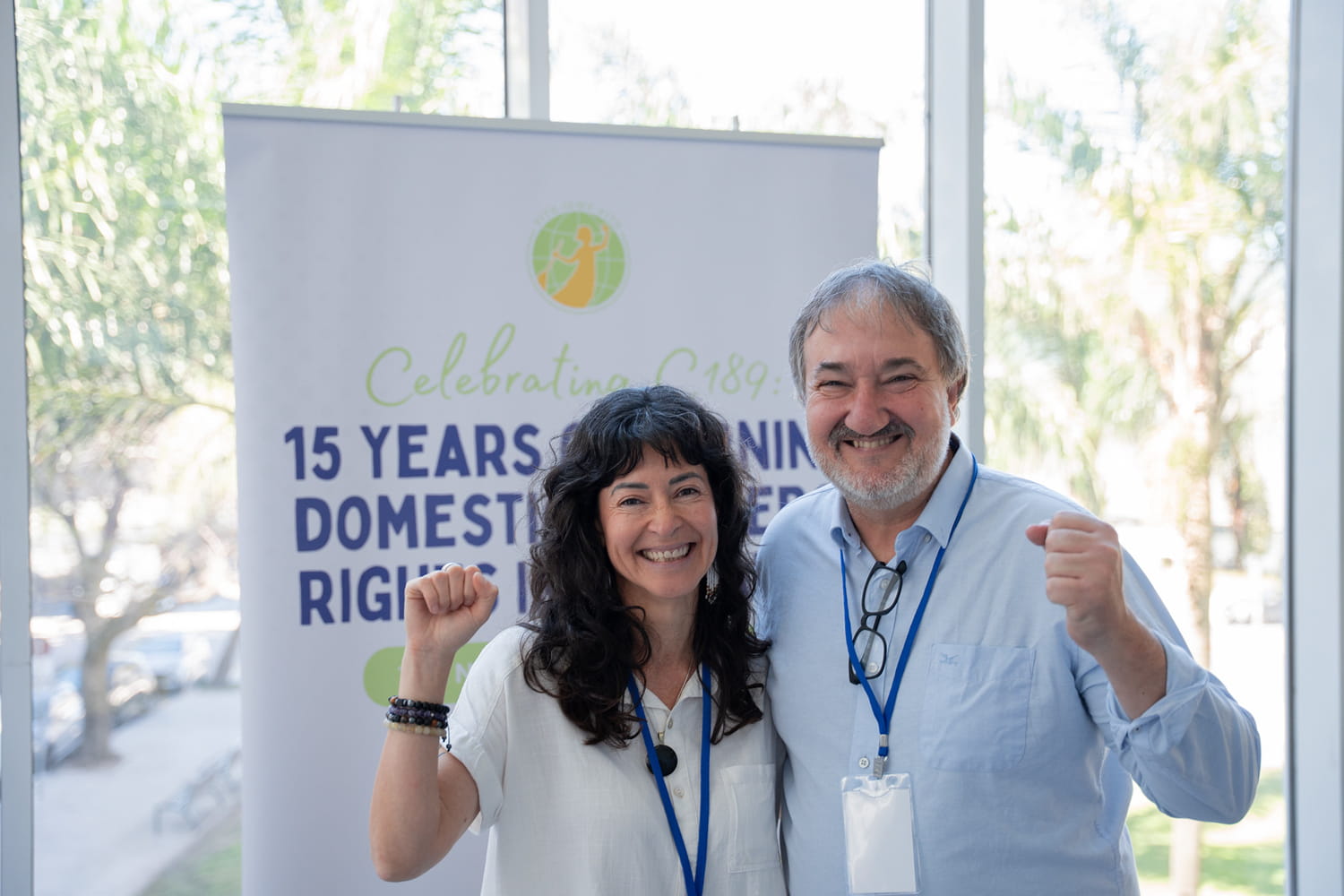
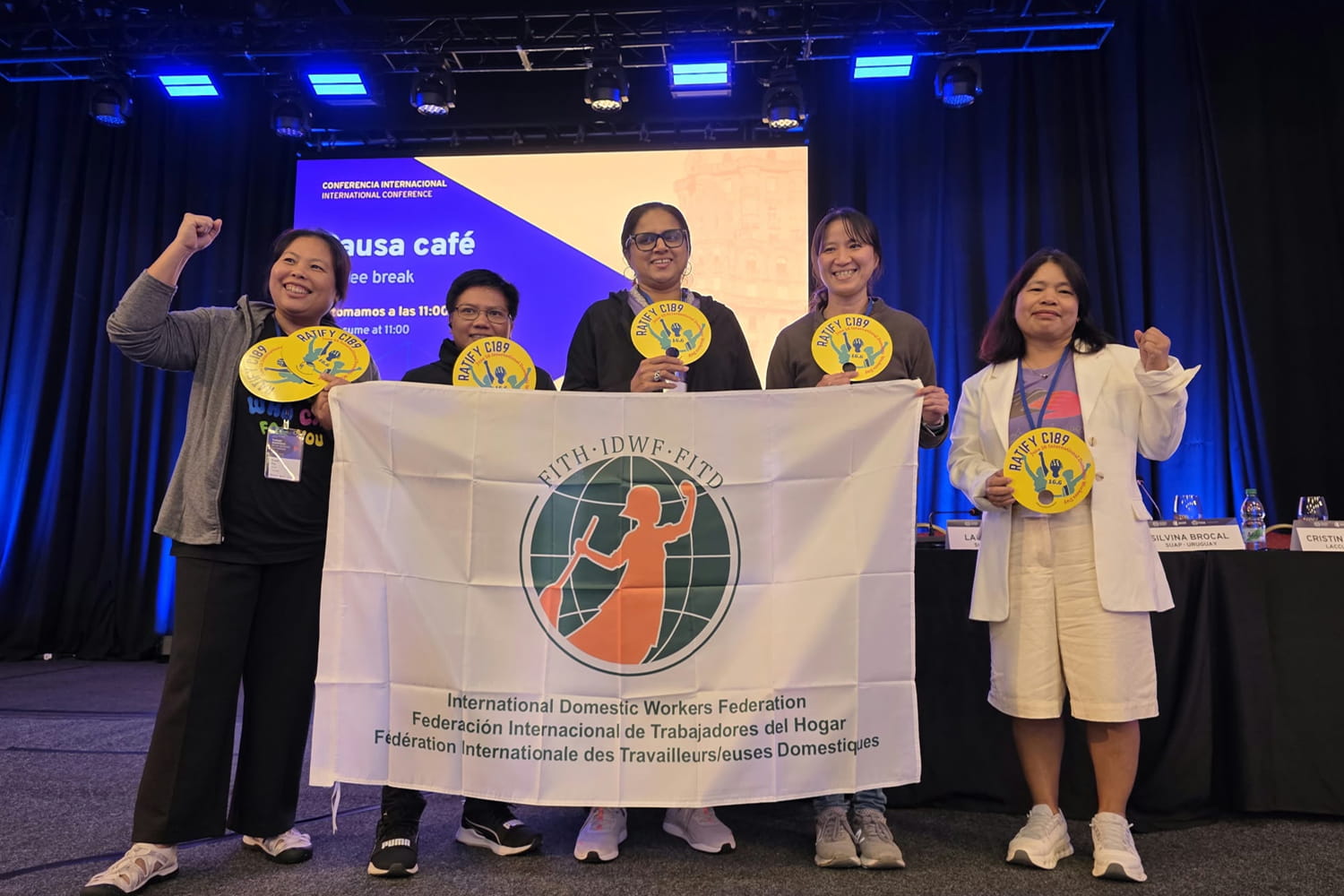
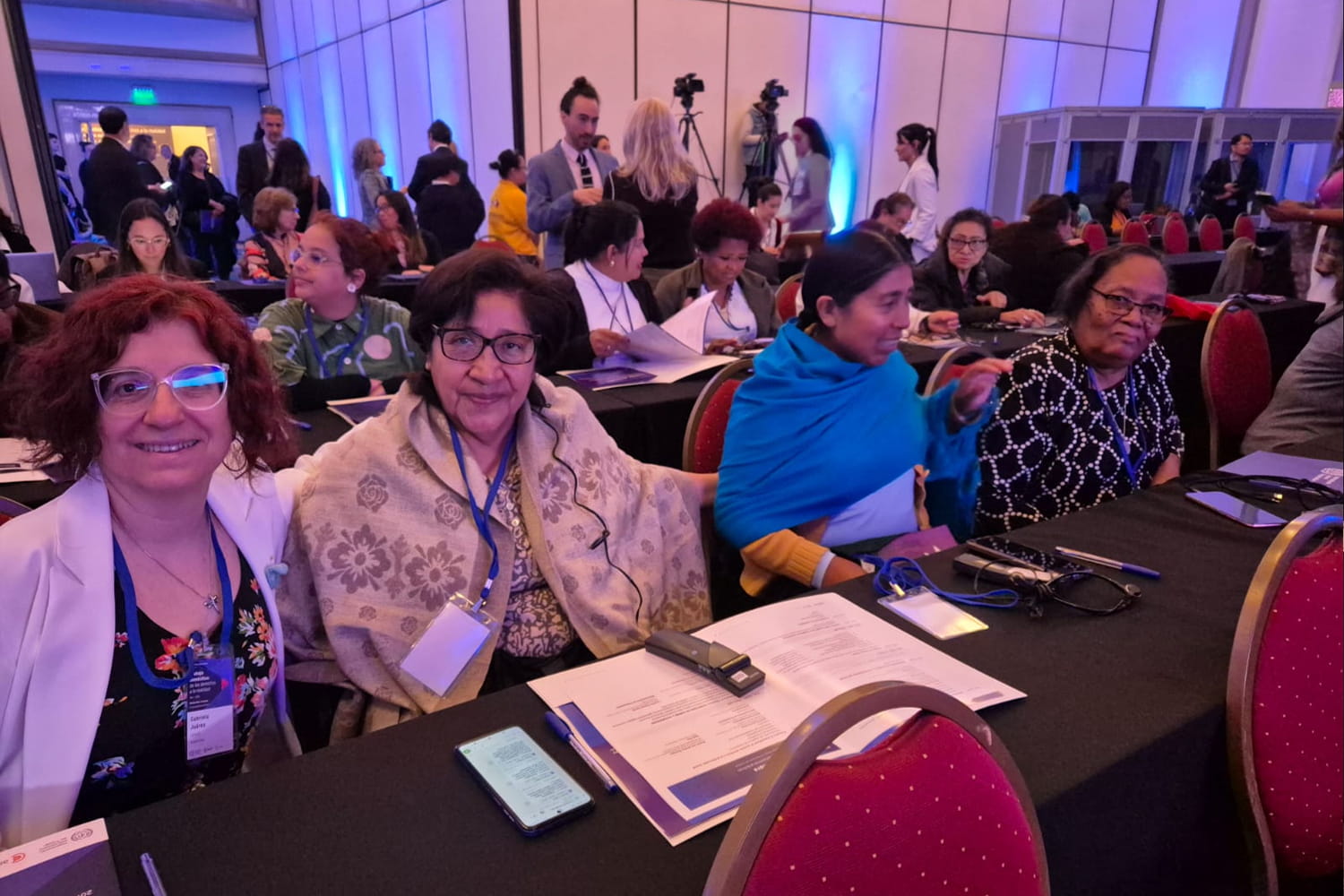
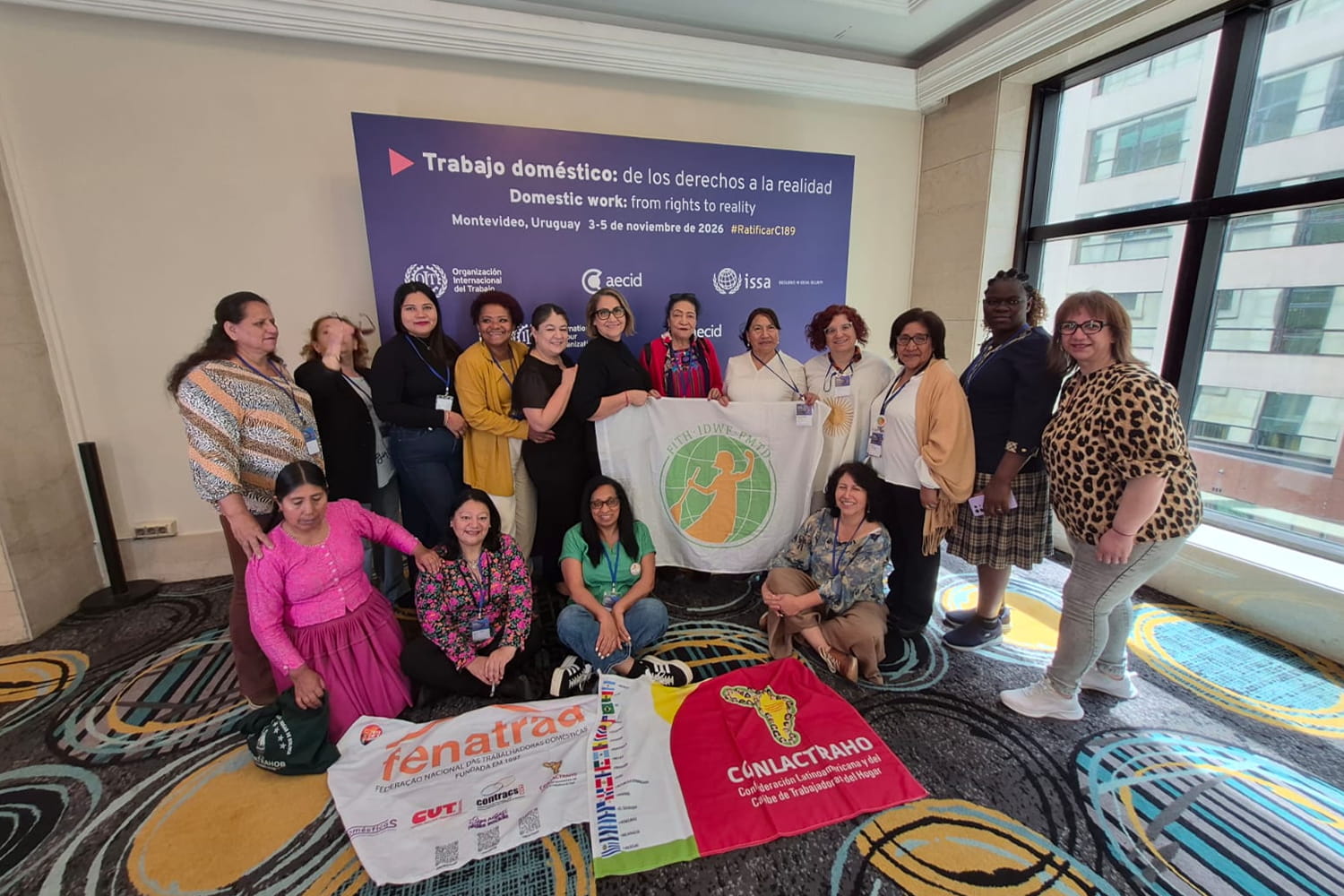
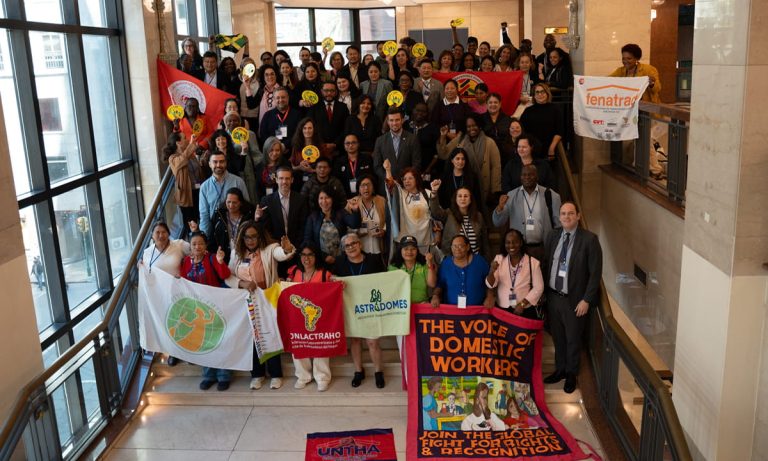
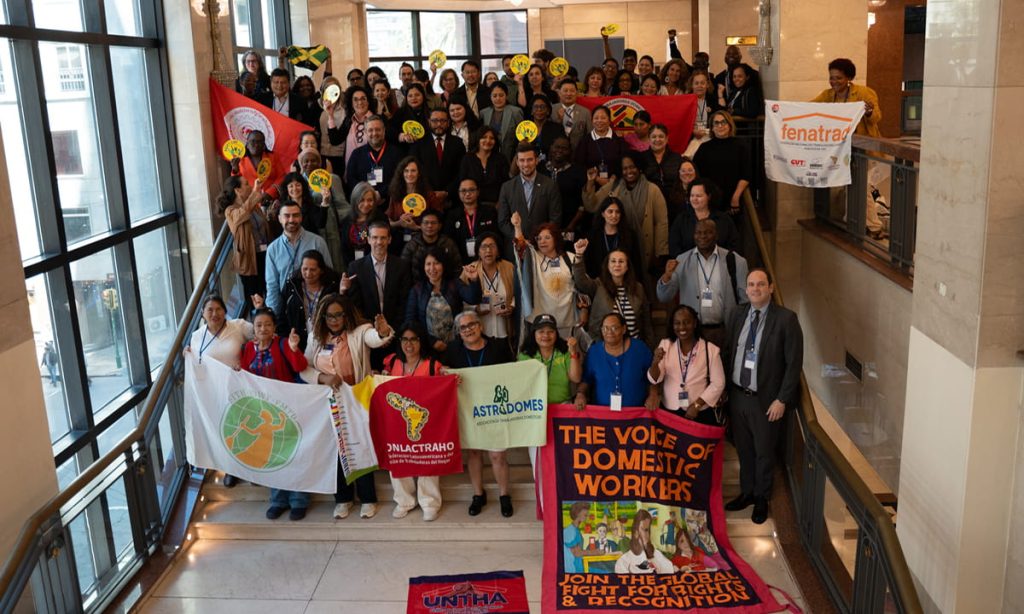
Highlights from the international gathering of domestic workers held in Montevideo, Uruguay, from November 3 to 7, 2026. Photos: Eduardo Derrico (IDWF), IDWF leaders and staff.
Domestic worker leaders, government representatives, and allies from around the world share their hopes for the next 15 years of C189. Montevideo, Uruguay, November 3–5, 2026. Video: Eduardo Derrico and Fernanda Valienti (IDWF).
Our heartfelt thanks to the facilitators and allies whose contributions, solidarity and commitment helped make these important conversations possible.
On July 1, Brazil enacted Law No. 15,455/2026, establishing protection and support measures for domestic workers rescued from slavery-like conditions....
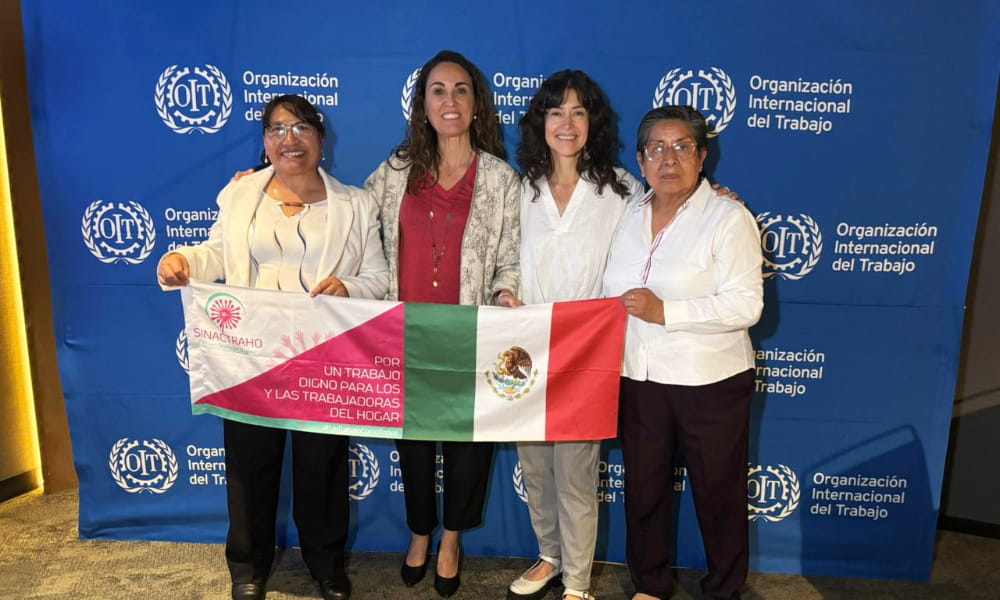
Adriana Paz Ramírez, General Secretary of the International Domestic Workers Federation (IDWF), together with leaders from SINACTRAHO Mexico, took part...